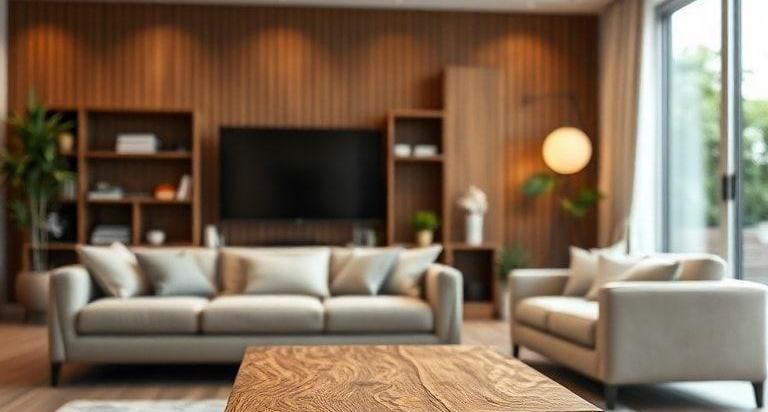
Top 5 Natural Coffee Tables
Coffee tables are an essential part of any living room, serving as both a functional and aesthetic centerpiece. Over the years, their role has expanded beyond mere utility. Today, coffee tables come in an array of styles, materials, and designs, each making a statement about the owner’s taste and personality. Among the myriad options available, natural coffee tables stand out as a timeless choice, offering both beauty and sustainability. Crafted from organic materials like wood, stone, or metal, these tables embody a harmonious balance between nature and design, bringing a touch of the outdoors into the home.
Natural coffee tables aren’t just about looks; they tell a story. Each piece is unique, with natural grains, textures, and colors that can never be replicated. The warm, earthy tones of wood or the rugged elegance of stone create an atmosphere of comfort and sophistication. But beyond aesthetics, choosing a natural coffee table also reflects a growing appreciation for eco-friendly, sustainable choices in furniture. Whether you’re drawn to the rustic charm of reclaimed wood or the minimalist appeal of sleek stone, natural coffee tables offer a level of authenticity that mass-produced alternatives often lack.
In this guide, we will explore the reasons why a natural coffee table might be the perfect addition to your home, how to choose the right one for your space, the care and maintenance involved, and offer some final thoughts to help you make an informed decision.
Top 5 Natural Coffee Tables
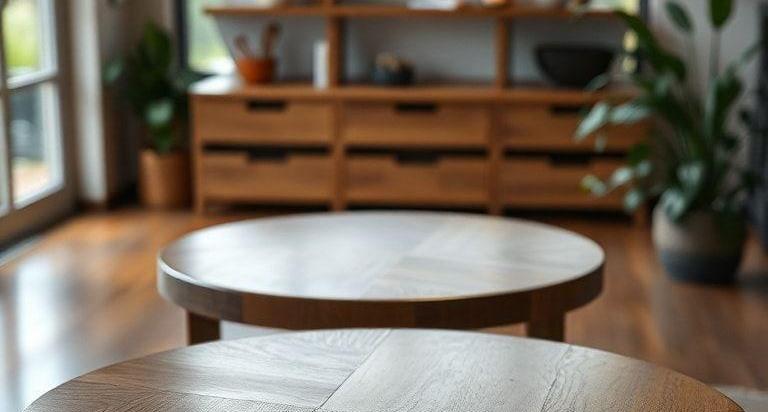
1. Live Edge Wood Coffee Table
This one’s a beauty! Made from a solid piece of live edge wood, this coffee table screams natural elegance. The unique edges of the wood are left untouched, showing off the natural grain and shape of the tree. It’s not just furniture, it’s art. Perfect if you want something rustic and bold to anchor your living room, but still appreciate the rawness of nature in your home.
2. Teak Wood Coffee Table
Teak is known for its durability, and this coffee table shows why. The natural finish of the wood makes it feel grounded and earthy, with a rich golden-brown hue that only gets better with age. Its clean, minimalist design fits seamlessly with any modern or bohemian style, making it a versatile piece that’ll last for years to come.
3. Acacia Wood Coffee Table with Metal Legs
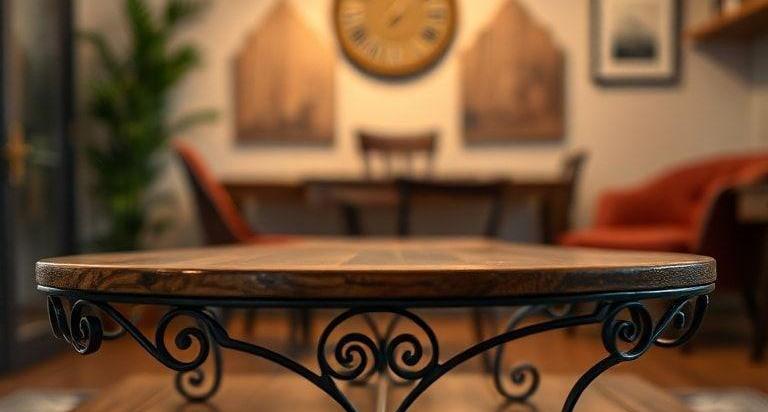
If you’re looking for a blend of natural and industrial, this Acacia wood coffee table with sleek metal legs is your match. The rich, warm tones of the wood contrast beautifully with the cool, dark metal, creating a balance that feels fresh and sophisticated. It’s sturdy and practical while bringing a touch of nature into your modern space.
4. Bamboo Coffee Table
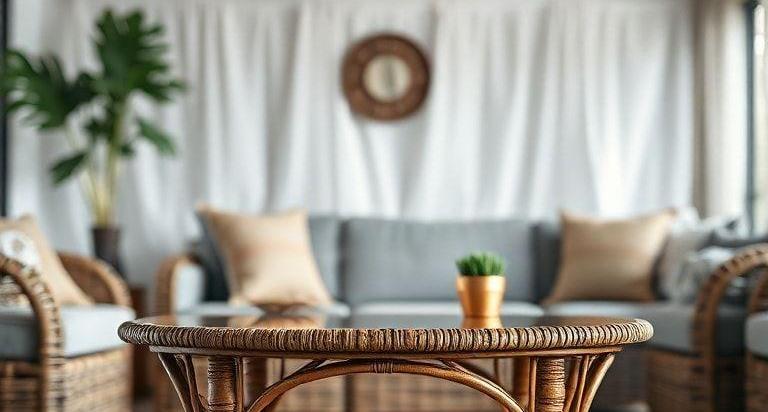
Bamboo’s light, airy look makes this coffee table stand out as a perfect choice for smaller spaces. Its lightweight, eco-friendly construction still offers durability and strength. The natural light color of bamboo adds a fresh, zen vibe to any room. Plus, it’s sustainably sourced, so you can feel good about bringing this beauty into your home.
5. Reclaimed Wood Coffee Table
Talk about a piece with a story! This coffee table is made from reclaimed wood, which means it’s not just unique – it’s also eco-friendly. Each piece of wood tells a different story, giving this table an incredibly personal, rustic charm. The imperfections in the wood add character, making it perfect for someone who loves vintage and sustainable pieces.
Why Buy Natural Coffee Tables?
Sustainability And Eco-Friendliness
The growing awareness of environmental issues has led many consumers to seek out products that are sustainable and eco-friendly. Natural coffee tables, especially those made from reclaimed wood or other recycled materials, are an excellent way to contribute to a greener planet. Reclaimed wood, for instance, comes from old barns, factories, and other structures, reducing the need for deforestation and giving new life to materials that might otherwise go to waste. This process not only helps preserve forests but also reduces the carbon footprint associated with manufacturing new furniture.
Moreover, natural materials like stone or bamboo are renewable and biodegradable, making them much more eco-conscious than synthetic options like plastic or particle board, which have significant environmental impacts.
Timeless Appeal
A natural coffee table exudes a timeless elegance that never goes out of style. While trends come and go, the beauty of materials like solid wood, marble, and stone remains constant. These materials possess an inherent beauty that ages gracefully over time, developing a patina or texture that adds to their charm. This means your coffee table will remain a focal point in your living room for years to come, maintaining its aesthetic appeal while becoming a part of your home’s evolving story.
Uniqueness And Character
Each natural coffee table is one of a kind. The grain of wood, the texture of stone, or the variations in marble make every piece unique. Unlike mass-produced furniture, which can often feel generic or impersonal, a natural coffee table carries its own identity. The knots, scars, and imperfections in the material tell the story of its creation, making the table a work of art in its own right.
These tables often have a natural, rustic charm that can evoke a sense of connection with nature, making them a perfect addition to homes looking to create a more organic, grounded atmosphere. Whether it’s a large slab of oak with swirling grain patterns or a sleek stone surface with delicate marbling, natural materials bring warmth and character into any space.
Durability And Longevity
Natural coffee tables are not only beautiful but also built to last. Solid wood, stone, and metal are incredibly durable materials that can withstand the wear and tear of daily use. With proper care, a high-quality natural coffee table can last for decades, or even centuries. This durability makes natural coffee tables an excellent investment for anyone looking for a piece of furniture that will stand the test of time.
Additionally, natural materials tend to develop a deeper connection with their surroundings as they age. Wood, for instance, becomes richer in color, while stone or marble might develop a unique texture over time, giving your coffee table even more character as the years go by.
Buying Guide For Natural Coffee Tables
When it comes to purchasing a natural coffee table, there are several factors to consider to ensure you choose the right one for your needs and style. Here’s a comprehensive guide to help you navigate the buying process.
Material Selection
The first and most important decision you’ll make is the material. Natural coffee tables come in a variety of materials, each offering its own unique look and benefits.
- Wood: Wood is a classic choice for coffee tables, with options ranging from hardwoods like oak, walnut, and teak to softer woods like pine and cedar. Hardwoods are more durable and resistant to dents and scratches, while softer woods may offer a more affordable option. Keep in mind the type of wood grain and color that will best complement your space.
- Stone: Stone coffee tables, such as those made from marble, granite, or slate, offer a more luxurious and refined appearance. These tables can bring a sleek, modern aesthetic to a room or evoke the rugged beauty of nature, depending on the type of stone used. Stone is durable but can be heavy and requires some care to prevent stains or damage from spills.
- Bamboo: For a sustainable, lightweight option, bamboo is an excellent choice. Bamboo coffee tables have a natural, airy feel and are often used in contemporary and minimalist designs. Bamboo is highly renewable and grows quickly, making it one of the most eco-friendly options available.
- Reclaimed Materials: For a truly unique and sustainable option, consider coffee tables made from reclaimed materials. This could include reclaimed wood, metal, or even salvaged industrial parts. These tables often have a story behind them and can add a sense of history and character to your space.
Size And Shape
The size and shape of your coffee table should be chosen with your space and needs in mind. A table that is too large or too small can disrupt the balance of your room. Measure your available space carefully and choose a table that complements the layout of your furniture.
- Rectangular: A classic choice, rectangular tables are ideal for most living rooms and work well in both modern and traditional settings.
- Round: Round tables are perfect for smaller spaces or for creating a softer, more organic feel. They also eliminate sharp corners, making them a safer option for homes with children or pets.
- Square: Square tables can work well in symmetrical spaces or in larger rooms where the table can serve as a central focal point.
Design And Style
Natural coffee tables come in a variety of styles, ranging from rustic to modern, traditional to minimalist. The design you choose should complement the existing décor of your living room.
- Rustic: If you’re aiming for a cozy, farmhouse-inspired look, a rustic wood coffee table with a distressed finish might be the perfect choice.
- Modern: For a sleek, contemporary vibe, look for tables with clean lines and minimalist designs. A stone table or one made from reclaimed metal can add a modern edge to your space.
- Industrial: Industrial-style coffee tables often incorporate raw materials like steel, concrete, or distressed wood. These tables work well in loft-style apartments or spaces with an urban, edgy feel.
- Mid-Century Modern: For a retro-inspired look, consider a coffee table with angular legs, smooth wooden surfaces, and minimal embellishments, characteristic of mid-century modern design.
Price And Quality
Natural coffee tables can range significantly in price depending on the material, craftsmanship, and design. While it’s tempting to opt for a budget-friendly option, it’s important to prioritize quality over cost when purchasing a natural coffee table. A well-made table from solid wood or stone can last for decades, while a cheaply made piece may wear out quickly.
Maintenance & Care
Taking care of a natural coffee table is essential for ensuring its longevity. Different materials require different levels of care, so here are some general tips for maintaining your natural coffee table:
Wood Coffee Tables
- Dust regularly: Use a soft, dry cloth to dust your wood coffee table regularly. This will prevent dust and dirt from building up and potentially damaging the finish.
- Avoid direct sunlight: Prolonged exposure to sunlight can cause wood to fade or warp. Try to place your coffee table in a location where it won’t be directly exposed to harsh sunlight for extended periods.
- Use coasters and placemats: Wood is susceptible to water rings, heat marks, and stains. Always use coasters under drinks and placemats under food.
- Polish occasionally: Use a wood-specific polish or wax to maintain the shine and condition of the wood. Be sure to follow the manufacturer’s instructions.
Stone Coffee Tables
- Clean carefully: Stone surfaces can be more prone to staining and scratching, especially marble. Clean spills immediately with a gentle cleanser or mild soap and water. Avoid harsh chemicals that can damage the surface.
- Seal regularly: Many stone tables benefit from a sealing treatment, which helps to protect the surface from stains and moisture damage.
Bamboo Tables
- Keep away from moisture: Bamboo is prone to damage when exposed to excessive moisture. Wipe up spills immediately and avoid placing your table in areas with high humidity.
- Clean gently: Use a soft cloth and a mixture of mild soap and water to clean bamboo. Avoid abrasive materials that could scratch or damage the surface.
Final Words
A natural coffee table is more than just a functional piece of furniture; it’s an investment in the beauty and sustainability of your home. By choosing a table made from eco-friendly materials, you not only enhance the aesthetic appeal of your living room but also contribute to a more sustainable lifestyle. Whether you prefer the rustic charm of wood, the sleek elegance of stone, or the minimalist appeal of bamboo, there is a natural coffee table to suit every style and taste.