Top 5 Mid-century Coffee Tables
In the world of interior design, the mid-century modern style stands as a timeless benchmark of both form and function. Emerging in the mid-20th century, it revolutionized the way we approached furniture, blending simplicity with elegance and a focus on usability. Among the most iconic pieces that define this era are mid-century coffee tables. These tables, characterized by clean lines, functional design, and a variety of materials, not only serve as functional furniture but also as statement pieces that elevate the aesthetic of any room.
Whether you’re a seasoned collector or a newcomer to mid-century modern style, the right coffee table can serve as the centerpiece of your living space. This piece of furniture isn’t just a place to rest your coffee mug or remote control; it’s a vessel for self-expression, a nod to an era of design that prized efficiency, aesthetics, and comfort. As such, buying a mid-century coffee table requires a thoughtful approach-considering its craftsmanship, materials, design, and how it integrates into your living environment.
In this guide, we’ll take an in-depth look at why mid-century coffee tables continue to be a favorite in contemporary homes, how to choose the right one for your space, and the best practices for maintaining these timeless treasures. Whether you are seeking the perfect statement piece or a functional addition to your space, this comprehensive guide will help you make an informed decision.
Top 5 Mid-century Coffee Tables

1. West Elm Mid-Century Coffee Table
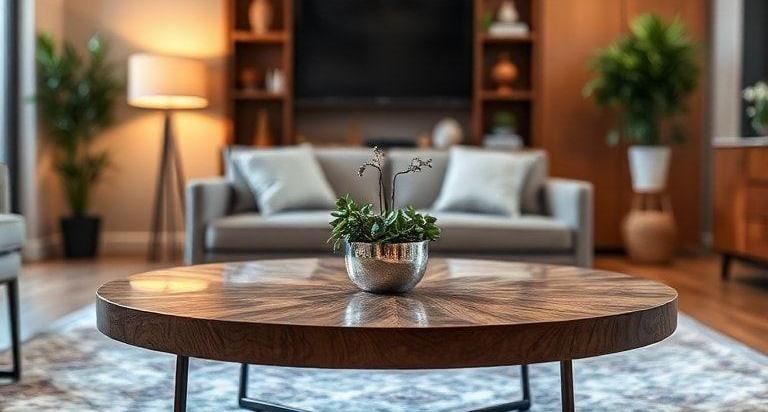
Oh, this table is a total classic! If you love that iconic mid-century vibe with its clean lines and tapered legs, this West Elm beauty hits the mark perfectly. It’s got that warm walnut finish that just makes your living room feel instantly cozy, but also sleek enough that it doesn’t look bulky. Honestly, it’s one of those pieces that can anchor a whole room without screaming for attention, and I love how the lower shelf gives you just enough space to stash magazines or a quirky plant.
2. Article Seno Walnut Coffee Table
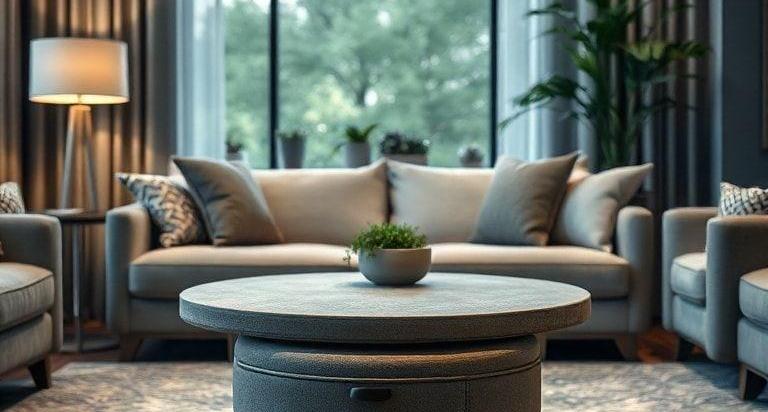
Okay, picture this: you walk into a room and there’s this gorgeous walnut coffee table that feels like it was plucked straight out of a 1950s Scandinavian design catalog. That’s the Article Seno. The craftsmanship is spot-on, with a smooth, rich wood surface and those lovely angular legs that just scream mid-century elegance. Plus, the drawer is super handy for hiding remotes, coasters, or, let’s be honest, a stash of snacks. It’s one of those tables that makes you want to invite people over just to show it off.
3. Joybird Eliot Coffee Table
Ah, the Joybird Eliot is like the perfect marriage of style and practicality. It’s low-slung, with that classic mid-century silhouette, and the walnut finish is so rich you might find yourself running your hand over it more often than necessary. And here’s the thing: the storage options are subtle but genius, letting you tuck away everything you don’t want cluttering your coffee surface. It’s one of those tables that just makes a living room feel thoughtfully curated, not like someone just threw furniture together.
4. CB2 Peekaboo Acrylic Coffee Table
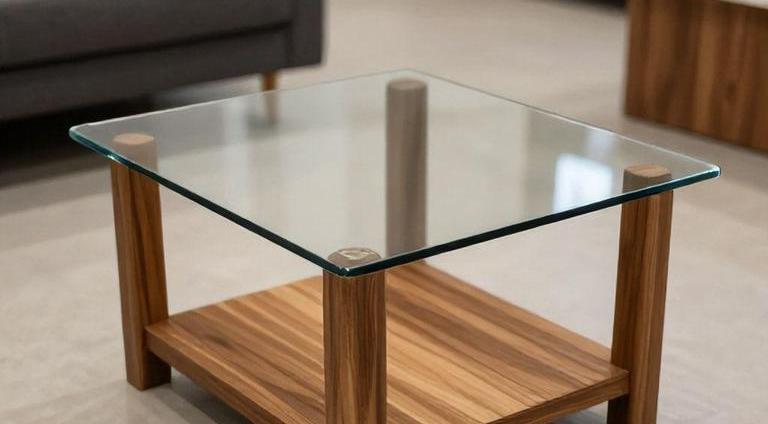
Now, this one’s a bit of a twist on the mid-century theme, but hear me out-it works! The Peekaboo table from CB2 is acrylic, so it’s transparent, which gives your space this super modern, airy vibe, yet its simple geometric shape and clean lines nod right back to classic mid-century design. It’s perfect if you want that retro feel without feeling weighed down by wood. And bonus: it’s basically invisible, so your room looks bigger while still having a functional centerpiece.
5. IKEA Stockholm Coffee Table
The IKEA Stockholm is surprisingly charming for a piece from, well, IKEA. It’s got those gentle rounded edges and the warm wood finish that makes it feel super inviting. It channels mid-century vibes effortlessly, especially with the simple, tapered legs. Plus, it’s a table you can live with day in and day out without worrying about scratching it up too much, which is perfect for a busy household. Honestly, it’s the kind of table that makes you say, ’I can’t believe this is IKEA!’
Why Buy Mid-century Coffee Tables?
The allure of mid-century coffee tables lies not only in their striking visual appeal but in the philosophy that underpins their design. Rooted in the mid-20th century, particularly from the 1940s to the 1960s, this design movement emphasizes minimalism and a rejection of ornamentation in favor of clean, functional lines. A mid-century coffee table doesn’t just blend into a room; it commands attention with its understated elegance and practical design.
- Timeless Aesthetic: Mid-century modern design is characterized by simple yet sophisticated lines, making it easy to integrate into a wide range of interiors-from minimalist and Scandinavian to eclectic and bohemian. The clean, geometric shapes and neutral wood tones allow the coffee table to remain versatile, adapting to contemporary trends while retaining its historical charm.
- Functional Beauty: Unlike traditional furniture that often sacrifices utility for decorative elements, mid-century modern coffee tables are built with an emphasis on practicality. Their design philosophy hinges on the idea that a table should function efficiently without unnecessary embellishments. Whether it features built-in storage, integrated trays, or sleek lines to accommodate modern living spaces, these tables are designed to make life easier.
- High-Quality Materials: The materials used in mid-century furniture are often of high quality, a hallmark of the era. Solid wood, such as teak, walnut, and oak, was commonly used in coffee table construction. These hardwoods not only contribute to the table’s durability but also its aesthetic warmth, ensuring that the table doesn’t just stand the test of time in design, but also in longevity.
- Versatility: Mid-century coffee tables are incredibly versatile, easily fitting into various design schemes. Whether you prefer a minimalist design, a piece with bold angular shapes, or something with more organic curves, the variety of mid-century tables available allows homeowners to find a piece that reflects their personal style and complements their space.
- Investment in Heritage: Purchasing a well-crafted mid-century coffee table-especially one from a designer such as Eames, Noguchi, or Saarinen-can be seen as an investment. Vintage pieces, due to their craftsmanship and history, often increase in value over time, adding an extra layer of appreciation to their functional role in your home.
Buying Guide For Mid-century Coffee Tables
When purchasing a mid-century coffee table, there are several important considerations to keep in mind to ensure the table aligns with your needs, taste, and space. Here’s a detailed breakdown of the factors to consider when making your selection:
Size And Shape
The first step in selecting a coffee table is determining the appropriate size and shape for your space. The table should fit proportionally within the room while leaving enough room for movement. Typically, a coffee table should be about two-thirds the length of your sofa to maintain visual harmony.
- Round Tables: Ideal for smaller spaces or to soften angular room layouts, round tables can also be more child-friendly due to the lack of sharp edges.
- Rectangular Tables: The classic choice for mid-century modern homes, rectangular tables work well in larger living rooms or when paired with longer sofas.
- Oval Tables: Offering the best of both round and rectangular tables, oval tables provide a versatile option for various layouts.
Material
The material of the coffee table plays a significant role in both its durability and style. Mid-century coffee tables often use natural materials that are both beautiful and functional.
- Wood: The most common material used, especially hardwoods like walnut, teak, and oak, which were prized for their rich grains and durability. Teak, for instance, provides a golden brown hue and distinctive grain, making it a popular choice for mid-century tables.
- Glass: Many mid-century tables feature glass tops, often paired with wooden or metal legs. Glass provides an airy, modern look that emphasizes the table’s structural design, making it perfect for smaller spaces.
- Metal: Though less common, metal bases or accents were used in some mid-century designs, particularly in the form of slim, geometric legs or as supports for glass tops.
Style And Design
Mid-century modern design is known for its clean lines and minimalist aesthetic, but within this framework, there’s a range of styles to explore. Some tables may feature sculptural legs, while others prioritize smooth, simple surfaces. Key design elements to consider include:
- Tapered Legs: One of the most iconic features of mid-century modern furniture, tapered legs provide an elegant, lifted look.
- Sculptural Bases: Many tables incorporate interesting, geometric base designs, either in wood or metal, which can act as a conversation piece.
- Storage Features: Some mid-century coffee tables include built-in storage, such as drawers or shelves, which provide added functionality.
Condition
If you are buying a vintage or second-hand piece, it’s important to assess its condition. Vintage tables often come with signs of wear, such as scratches, dents, or fading. While some patina can add character, check the structural integrity of the piece. If buying a new one, ensure that the craftsmanship reflects mid-century quality, which includes sturdy joints, solid construction, and high-end finishes.
Budget
Mid-century coffee tables can range from affordable reproductions to high-priced vintage designs. Consider your budget and decide whether you’re looking for a vintage original, a reproduction piece, or a more affordable, modern version. While authentic vintage tables can be pricey, they offer an opportunity to own a piece of design history.
Maintenance & Care
Mid-century coffee tables, particularly those made from wood or glass, require regular care to preserve their beauty and functionality. The following tips will help you maintain the quality of your table:
- Cleaning: For wooden tables, dust them regularly with a soft cloth to prevent dirt buildup, which can scratch the surface. Use a wood cleaner that’s safe for your table’s finish, avoiding harsh chemicals that can strip the wood of its natural oils. Glass tops should be cleaned with a non-abrasive glass cleaner to prevent smudges and stains.
- Polishing: Over time, wood can lose its luster. Lightly polishing your table with a quality wood polish can restore its sheen and protect the surface from drying out. Be sure to test the polish on a small, inconspicuous area first.
- Avoiding Damage: To prevent damage from heat or moisture, always use coasters, placemats, or trays when placing hot or wet items on the table. Additionally, keep the table out of direct sunlight to prevent the wood from fading or warping.
- Repairing Scratches: If your table develops scratches or dents, consider using a wood filler for minor repairs. For deeper damage, you may want to consult a professional furniture restorer to ensure the integrity of the piece is maintained.
Final Words
Investing in a mid-century coffee table is not just about acquiring a functional piece of furniture; it’s about bringing a piece of history into your home. These tables are emblematic of a time when design was both innovative and thoughtful, and they continue to offer a balance of beauty and practicality in contemporary interiors.