Top 5 Japanese-style Coffee Tables
Japanese-style coffee tables, often referred to as chabudai, have long been admired for their simplicity, elegance, and cultural significance. These tables embody the Japanese aesthetic of minimalism and functionality, combining style with practicality. As more people embrace the concept of Zen-inspired interiors, the allure of Japanese furniture continues to grow. The coffee table, often the focal point of a living room, serves not just as a surface for placing drinks or snacks but also as a statement piece in any home. In this detailed exploration, we will uncover the reasons why a Japanese-style coffee table might be the ideal choice for your living space, how to choose one that complements your home, and the proper care to ensure its longevity.
Top 5 Japanese-style Coffee Tables
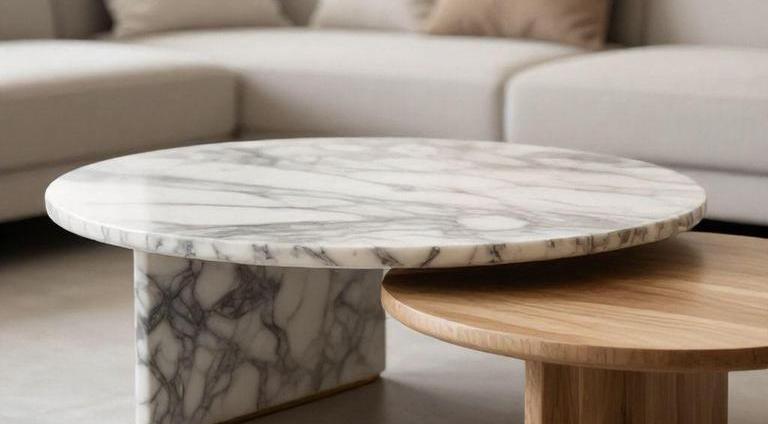
1. Herman Oak Coffee Table
This table is all about rustic charm with a subtle Japanese influence. It features a natural, earthy oak finish that brings a calming, serene vibe to any living room. The minimalist design is anchored by sturdy legs that taper gently, giving it that iconic Japanese aesthetic-simple yet elegant. It’s perfect for creating a zen-like atmosphere and pairs wonderfully with a tatami mat or low-profile seating.
2. Nara Japanese Coffee Table
The Nara Coffee Table is a beautiful blend of contemporary and traditional Japanese design. Crafted from solid wood with a smooth, satin finish, it offers clean lines and a low-profile design. The unique curved legs set it apart, giving it that timeless Japanese feel that’s both functional and stylish. It’s perfect for a cozy apartment or minimalist living space, offering a subtle touch of sophistication.
3. Kumo Modern Japanese Coffee Table
The Kumo Modern Japanese Coffee Table is all about sleek, modern lines, but with a distinctly Japanese twist. Its low profile and natural wood surface are perfect for those who want a minimalist, fuss-free look in their living rooms. The smooth, rounded corners and beautiful finish give it an understated elegance, and the unique triangular base adds a little flair without overpowering the design.
4. Shoji Screen Coffee Table
Inspired by the classic shoji screens, this coffee table brings the essence of Japanese sliding doors right to your living room. Made from wood and a mesh of paper or fabric, it’s the perfect addition to a space that embraces natural materials and simple lines. The Shoji Screen Coffee Table has a built-in shelf, so you can keep your living area tidy while still showcasing its subtle, delicate beauty. It’s ideal for a minimalist or traditional Japanese-inspired interior.
5. Zen Minimalist Coffee Table
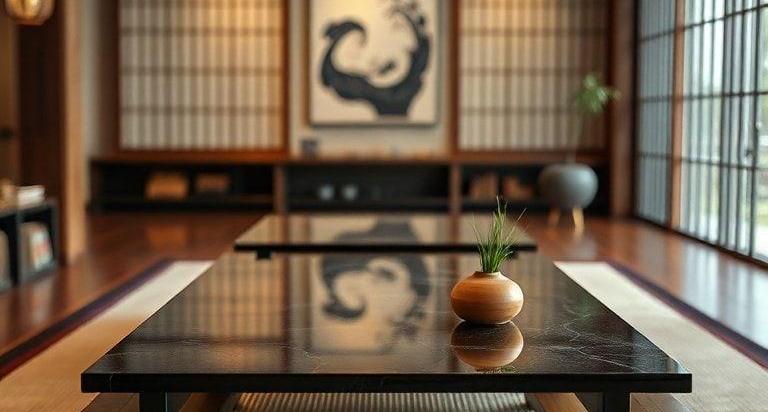
The Zen Minimalist Coffee Table takes the concept of ’less is more’ to heart. With a solid wooden top, clean edges, and simple lines, it captures the very essence of Japanese design philosophy. The beauty of this table lies in its quiet elegance and functional design. It’s low to the ground and features a neutral wood tone that can seamlessly integrate with a variety of interior styles. If you’re looking for something that’s not too flashy but still makes a statement, this is it.
Why Buy Japanese-style Coffee Tables?
Japanese-style coffee tables stand out due to their unique design philosophy and the values they represent. One of the key reasons to consider buying a Japanese-style coffee table is their ability to blend effortlessly with both traditional and contemporary home decor. The versatility of these tables allows them to work in various settings, from minimalist apartments to homes that embrace a more eclectic mix of furnishings.
1. Aesthetic Appeal: Japanese-style coffee tables are characterized by clean lines, low profiles, and an emphasis on simplicity. The design of these tables often centers around the concept of wabi-sabi, a Japanese aesthetic that celebrates the beauty of imperfection and transience. This design ethos results in tables that feel grounded and understated, allowing the surrounding space to shine. Whether made of wood, stone, or metal, these tables often boast a natural, organic appearance, bringing a sense of calm and tranquility to a room.
2. Space Efficiency: The low-to-the-ground design of many Japanese coffee tables makes them perfect for smaller living spaces. These tables tend to occupy less visual weight, creating an airy feel in the room. In addition, many Japanese tables are designed to be versatile, with features such as folding legs or detachable parts that allow for space-saving when not in use. This makes them particularly suited for apartments, minimalist homes, or interiors that aim to maximize every inch of space.
3. Cultural Significance: In Japan, the chabudai (traditional low table) is deeply ingrained in the culture, often associated with meals shared with family and friends. The design of these tables evokes a sense of community, bringing people together in a more intimate, relaxed setting. A Japanese-style coffee table can therefore be more than just furniture; it can become a symbol of the values of simplicity, togetherness, and mindfulness. Whether you’re hosting a gathering or enjoying quiet time alone, the low height and elegant design encourage a sense of connection.
4. Durability and Craftsmanship: Japanese furniture is renowned for its quality and craftsmanship. Many Japanese-style coffee tables are made from high-quality materials such as teak, oak, or bamboo, ensuring they are built to last. The attention to detail in their construction-such as hand-finishing techniques and precision joinery-reflects the time-honored tradition of Japanese woodworking. Investing in one of these tables means you’re acquiring a piece that will stand the test of time, becoming an heirloom that can be passed down through generations.
Buying Guide For Japanese-style Coffee Tables
When considering a Japanese-style coffee table, there are several factors to keep in mind to ensure you make a purchase that meets both your practical needs and aesthetic desires. Below are the key elements to consider when choosing the perfect table for your space.
Size And Proportion
The size of the table plays a critical role in its functionality and visual balance within the room. In Japanese interiors, the scale of the furniture is carefully proportioned to the room’s overall layout. You want to select a table that fits comfortably within your living space without overwhelming it. For smaller rooms, a compact, lower table is often ideal. If you have a more spacious living area, you may opt for a larger table that can accommodate multiple people.
Material
The material of the table significantly impacts both its durability and the overall aesthetic. Traditional Japanese-style coffee tables are often made from natural wood, such as kiri (paulownia) or sugi (cedar), which provide a warm, earthy feel to the space. Wood tables may also feature intricate grain patterns, which add to their visual appeal. Alternatively, some modern versions may incorporate materials like glass, metal, or lacquer, offering a more contemporary twist on the traditional style.
Shape
While Japanese-style tables often feature rectangular or circular shapes, the form can significantly influence the room’s energy. A round or oval table, for example, encourages a sense of harmony and inclusivity, making it ideal for a gathering space. Rectangular tables, on the other hand, can serve as a more structured focal point for the room. Additionally, many Japanese tables feature slatted designs or clean-cut edges, which create a sense of order and tranquility.
Functionality
Beyond aesthetics, consider the table’s functionality. Some Japanese-style coffee tables feature hidden storage compartments, which can be useful for stashing away remotes, magazines, or other items, maintaining the clean, minimalist look. Others may have adjustable legs or foldable features that allow for flexibility in usage. If you entertain often, choose a table that’s easy to clean and that can accommodate snacks, drinks, or tea sets.
Budget
Japanese-style coffee tables can range in price from affordable options made of wood veneer or engineered materials to high-end handcrafted tables made from solid wood or lacquered finishes. Keep in mind that the price often reflects the quality of craftsmanship and the materials used. While it’s possible to find budget-friendly options, it’s worth investing in a well-made piece, as these tables can last for decades with proper care.
Maintenance & Care
To ensure the longevity of your Japanese-style coffee table, regular maintenance and care are essential. Here are a few tips to keep your table in top condition:
Cleaning
For daily cleaning, simply use a soft cloth to wipe away dust and debris. Avoid abrasive cleaners, as they can scratch the surface of the table. If your table has a lacquer finish, be sure to use a slightly damp cloth to avoid damaging the finish. For wood tables, you can use a wood-safe cleaner or polish to enhance the shine and protect the surface from drying out.
Protecting The Surface
To prevent damage from spills or hot objects, always use coasters or placemats when placing drinks or food on the table. A protective lacquer or sealant can also help protect the wood from scratches and stains. If your table is made of a softwood, such as pine, be particularly cautious with sharp objects, as these can easily dent or scratch the surface.
Preventing Fading
If your Japanese coffee table is made of natural wood or lacquer, it’s important to keep it away from direct sunlight for prolonged periods. Sunlight can cause the finish to fade or the wood to discolor over time. Position the table in a spot that gets indirect light to preserve its color and vibrancy.
Regular Inspection
Examine the table periodically for any loose joints, cracks, or signs of wear. If you notice any issues, address them early to avoid further damage. For wooden tables, you may want to reapply wood wax or oil every few months to maintain the luster and protect the wood.
Final Words
A Japanese-style coffee table is more than just a piece of furniture-it is a testament to the rich cultural heritage of Japan, where form and function coexist harmoniously. By choosing a Japanese coffee table, you bring home a symbol of tranquility, craftsmanship, and thoughtful design. Whether you are drawn to the clean lines of traditional chabudai or the contemporary interpretations of Japanese minimalism, this table can become the centerpiece of your living space.