Top 5 Homemade Coffee Tables
In recent years, the appeal of homemade coffee tables has risen dramatically, as homeowners seek to add a personalized touch to their living spaces. A coffee table is not just a functional piece of furniture but also an essential element that can define the style and mood of a room. While mass-produced tables from large furniture stores are commonplace, homemade coffee tables offer something that is both unique and meaningful. They embody the charm of craftsmanship, creativity, and individuality, making them a standout choice for any home.
Homemade coffee tables come in various styles, materials, and designs, from rustic wooden creations to sleek, modern glass-and-metal combinations. Whether they are handcrafted by artisans, designed by the homeowner themselves, or repurposed from reclaimed materials, these tables offer a deeper connection to the space they inhabit. This depth is something that factory-made pieces often lack, as they are typically designed for mass production rather than personal connection.
The charm of homemade coffee tables goes beyond aesthetics; they allow you to infuse a room with your personality. Choosing or creating a coffee table that fits your tastes and the vibe of your home not only enhances the space’s overall look but also provides a sense of satisfaction and pride in ownership. This guide explores the reasons why you should consider buying a homemade coffee table, offers a comprehensive buying guide, provides tips for maintenance and care, and concludes with insights on how such a purchase can elevate your home.
Top 5 Homemade Coffee Tables
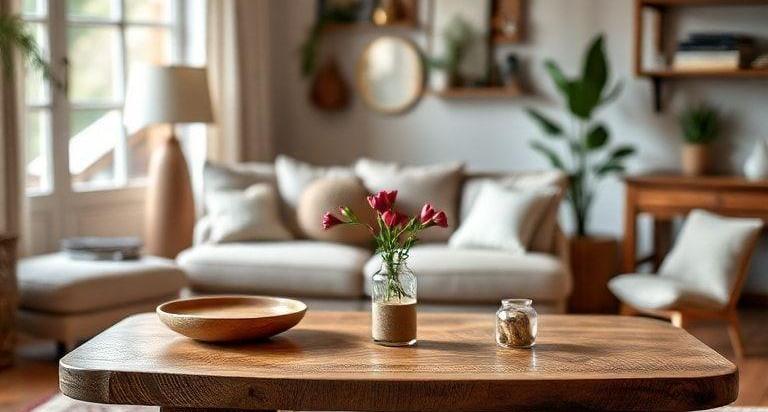
1. Rustic Pallet Coffee Table
Okay, this one is a total DIY classic! The rustic pallet coffee table is super popular because it’s not just easy to make, but it also adds that charming, vintage vibe to your living room. You take wooden pallets (which you can often find for free), sand them down, and assemble them into a tabletop. You can even add casters on the bottom to make it easy to move around. If you’re into the industrial look, this is a no-brainer. Plus, you can stain it, paint it, or leave it raw depending on your style!
2. Live Edge Wood Coffee Table
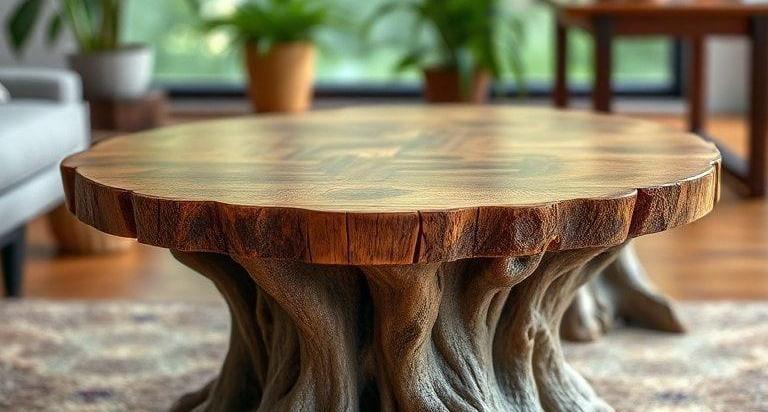
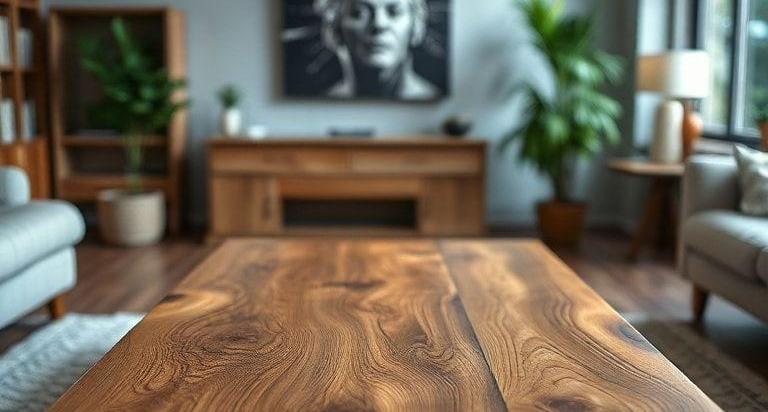
This one is for the nature lovers! A live edge coffee table keeps the natural, raw look of the wood, with the edges left untouched to show the unique patterns and grain. You can get a big slab of wood (think oak, walnut, or maple) and just finish it with oil or lacquer to make it shine. The beauty of this coffee table is that every piece is unique-no two will ever look the same. It’s like having a piece of art in your living room that doubles as functional furniture!
3. Industrial Pipe Coffee Table
If you like a bold, modern style with a touch of that gritty, industrial look, this table is all about using metal pipes as legs. You can get these pipes from any hardware store, and the best part is you get to customize the height, width, and overall look. Pair the pipes with reclaimed wood for the top, and you’ve got yourself a super sturdy, statement-making coffee table that’ll definitely be the talk of the room. It’s a little more involved, but it’s totally worth it for the end result.
4. Glass Top Coffee Table with Wooden Base
Here’s a sleek one for a modern yet minimalist vibe. You can make a coffee table by combining a wooden base (think mid-century modern or contemporary design) with a smooth glass top. The base could be something simple like a few wooden blocks or a geometric shape like a tripod. The glass gives it a clean, airy feel while the wood adds some warmth. It’s simple to make, yet it looks super sophisticated and can match just about any décor.
5. Crate Coffee Table
Have you ever thought of using wooden crates to make a coffee table? It’s a genius way to recycle and upcycle old crates you might find at thrift stores, or even brand new ones. Stack a few crates on top of each other, and you’ve got yourself a rustic, functional piece of furniture. You can keep it as-is or add a top (like glass, wood, or even a cushion) to create a smooth surface. It’s also an excellent choice if you need storage space for books, magazines, or any other knick-knacks.
Why Buy Homemade Coffee Tables?
When it comes to furniture, especially pieces as central as a coffee table, opting for something homemade carries several distinct advantages over mass-produced alternatives. These benefits go beyond just aesthetic value, extending into durability, environmental consciousness, and the connection to artistry and craftsmanship.
Uniqueness And Customization
One of the most obvious reasons to buy a homemade coffee table is the ability to secure a one-of-a-kind piece. Mass-produced furniture tends to follow set trends and formulas, which can make a home look somewhat uniform or even impersonal. Homemade coffee tables, however, allow for complete customization. You can choose the materials, colors, dimensions, and even the design style, ensuring that your table perfectly aligns with the rest of your furniture and the theme of your space.
Whether you prefer a minimalist design, a vintage look, or something avant-garde, a homemade table can be created or altered to meet your exact specifications. You may even want to incorporate sentimental items into the design, such as reclaimed wood from a family home or a particular metal finish that reflects your style.
Quality And Durability
Homemade coffee tables are often crafted with far greater attention to detail and quality than those produced in large factories. Craftsmen, often working in small workshops or studios, dedicate considerable time and effort to each piece, ensuring the quality of materials and the precision of construction. This translates to durability that is often superior to that of mass-produced tables. While factory-made tables may be designed for efficiency, homemade tables are built to last, frequently using sustainable or high-quality materials that ensure longevity.
Eco-Friendliness
In today’s world, sustainability is a growing concern for many homeowners. By choosing a homemade coffee table, especially one made from recycled or reclaimed materials, you are contributing to a more eco-friendly approach to interior design. Repurposing old wood, metal, or other materials can significantly reduce the environmental footprint of your furniture. Local artisans may also use fewer resources in shipping and production, further reducing the carbon footprint associated with the creation of the table.
Homemade furniture offers a fantastic way to support the environment, especially if you prioritize sustainability in your lifestyle choices. Many artisans who create homemade coffee tables take great pride in ensuring that their materials are ethically sourced and environmentally conscious, which is not always the case with larger furniture companies.
Support For Local Artisans
When you buy a homemade coffee table, you’re also supporting local artisans and craftsmen. These individuals often rely on small-scale operations and their income from the sale of handcrafted goods. This personal connection between buyer and maker is something that can’t be replicated in mass production. By choosing homemade, you help sustain the traditions of craftsmanship that have been passed down through generations, while also contributing to the local economy.
Investment Piece
A high-quality homemade coffee table can be an investment that appreciates over time. Not only is it a functional piece of furniture, but it may also hold artistic value. Handcrafted pieces, especially those made by well-known artisans or featuring rare materials, can become valuable heirlooms passed down for generations. As these items are not mass-produced, their rarity makes them sought-after in antique markets or as collector’s items.
Buying Guide For Homemade Coffee Tables
Purchasing a homemade coffee table requires careful consideration of various factors, from the table’s design to its material composition. To ensure you make the best decision for your home, here are some key aspects to take into account when buying a homemade coffee table.
Material Selection
The material of your coffee table not only determines its look but also its durability, maintenance needs, and overall feel in your home. Common materials used in homemade coffee tables include:
- Wood: A popular choice for its timeless appeal and versatility. Hardwoods like oak, walnut, and maple are known for their durability and beauty. Reclaimed wood offers a rustic, eco-friendly option that often carries a unique character from its previous life.
- Metal: Metal bases or accents can lend a modern, industrial feel to a coffee table. Steel, iron, and brass are all commonly used in combination with wood or glass. Metal can also offer sleek, contemporary aesthetics and resilience.
- Glass: Many homemade tables feature glass tops, either for a clean and minimalist design or to highlight the materials underneath. Glass is elegant, though it requires careful maintenance to avoid smudges or damage.
- Stone: Tables made from materials like marble or granite can lend an air of sophistication and luxury to your home. These materials are often combined with wood or metal bases for contrast.
When selecting materials, it’s important to consider both the table’s appearance and its practicality in your daily life. For example, a wooden table might be ideal for a cozy living room, while a glass table might work better in a sleek, modern environment.
Size And Proportions
The size of the coffee table is crucial in terms of both functionality and aesthetics. A table that is too large for the space can overpower the room, while one that is too small may seem insignificant or awkward. When measuring for your homemade table, keep in mind the proportions of the room, as well as the surrounding furniture. A good rule of thumb is to have the coffee table approximately two-thirds the length of your sofa and positioned about 18 inches from the seating area.
Design And Style
The design of your coffee table should complement your overall décor. If you have a rustic or farmhouse-inspired living room, a homemade table made from reclaimed wood may be perfect. For a more contemporary home, a sleek metal table with a glass top may be more fitting. Think about the lines and finishes of the table-whether you want something minimalistic, ornate, or eclectic.
Craftsmanship And Details
A homemade coffee table should showcase attention to detail in its craftsmanship. Look for tables with neat joints, secure constructions, and smooth finishes. The quality of the work often speaks for itself, and a well-made table will last longer and age beautifully. Ask the maker about the specific techniques used, as well as any special touches they’ve included, like hand-carved detailing or a custom stain.
Budget Considerations
Homemade coffee tables can vary greatly in price, depending on the materials used, the complexity of the design, and the skill level of the artisan. While they may cost more than mass-produced pieces, the investment is often worth it for the uniqueness and durability they provide. Set a budget and be prepared to explore different options that fall within your price range. Remember that the quality of craftsmanship often reflects the price.
Maintenance & Care
A homemade coffee table, if well-made, can last for decades, but proper care is essential to ensure it stays in top condition. Here are some tips to help maintain the beauty and longevity of your homemade table:
- Wooden Tables: Dust your wooden coffee table regularly using a soft cloth. Avoid placing hot items directly on the wood, as this can cause damage or discoloration. Consider applying a furniture polish or oil that is specifically formulated for wood to keep it moisturized and protected from wear.
- Glass Tops: Clean glass tables with a non-abrasive cleaner to prevent scratches. Avoid using paper towels, as these can leave streaks. Regularly check the glass for chips or cracks, which can worsen over time.
- Metal Components: Wipe down metal parts with a microfiber cloth to avoid scratches and dirt buildup. If your table has metal elements that are prone to rust, apply a protective coating every couple of years to prevent oxidation.
- Stone Surfaces: For marble or granite tables, be cautious with acidic substances like wine or lemon juice, which can stain or damage the surface. Use coasters to protect the stone and clean it with a stone-specific cleaner to preserve its shine.
Final Words
Choosing a homemade coffee table is an investment in both function and artistry. Not only does it offer a distinctive addition to your home, but it can also enhance the quality of your living space in ways that mass-produced furniture often cannot. By carefully considering material selection, design, and maintenance, a homemade table can provide lasting value and joy for years to come. Whether you are drawn to the charm of handcrafted wood or the modern elegance of a metal-and-glass combo, the possibilities are endless.