Top 5 Early American Coffee Tables
Early American coffee tables stand as timeless pieces of furniture, encapsulating the rich history and craftsmanship of the American colonial and early post-colonial periods. These tables are more than just functional pieces; they are heirlooms, embodying a deep connection to the past and an essential part of the evolving story of American interior design. From their simple yet elegant construction to the enduring materials that were used to create them, early American coffee tables offer a glimpse into the everyday lives of early settlers, reflecting the tastes, values, and economic realities of the time.
Originating during a period when furniture was not just crafted for utility but also for showcasing status and style, these tables have maintained their appeal across centuries. Whether you’re drawn to their rustic charm, historical significance, or the unique craftsmanship, buying an early American coffee table can be an excellent investment for anyone interested in American history or antique furniture. This article will explore why these pieces are so special, what to look for when buying one, how to care for them, and the lasting value they provide to any home.
Top 5 Early American Coffee Tables
1. Colonial Pine Coffee Table
This classic Colonial Pine Coffee Table is a stunning example of early American craftsmanship. Built from sturdy pine wood, it carries that warm, rustic charm that makes any room feel like home. With its simple yet elegant design, it’s the perfect blend of functionality and style. Imagine it sitting proudly in your living room, the perfect spot to rest your coffee mug or your favorite novel. Plus, the wood’s natural grain gives it that timeless, lived-in look that only gets better with age.
2. Shaker Style Coffee Table
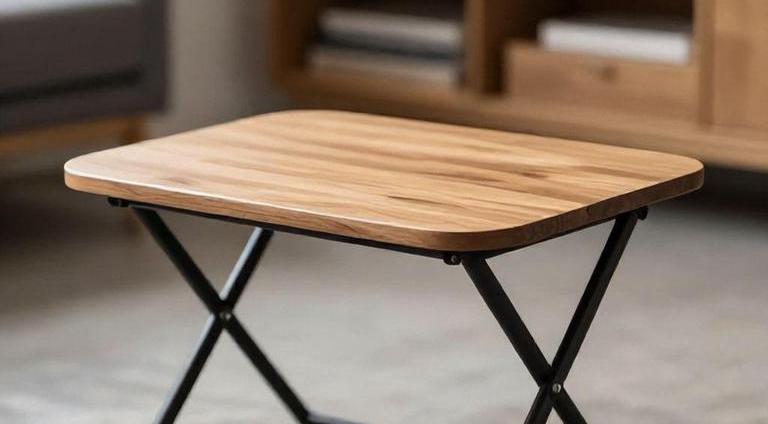
If you’re a fan of minimalist design, the Shaker Style Coffee Table will be a perfect match for your space. The Shakers were all about functionality, and this coffee table is no exception. It’s simple, sturdy, and beautifully crafted from wood with clean lines and no unnecessary embellishments. The best part? It fits seamlessly into both traditional and modern interiors. The quality of craftsmanship here is top-notch, and you’ll love how it stands the test of time.
3. Early American Tavern Table
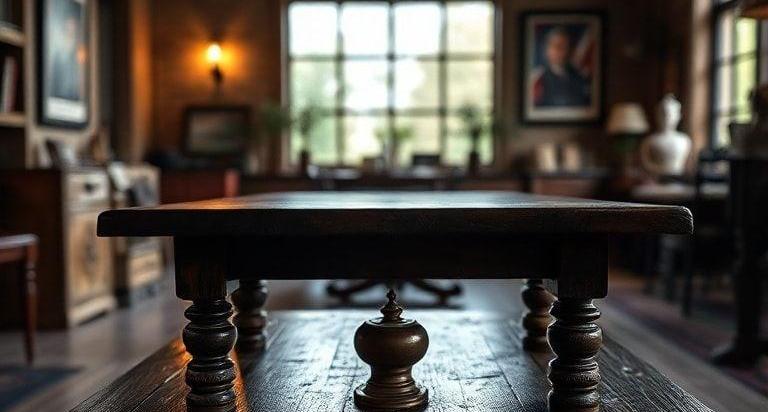
The Early American Tavern Table is the embodiment of rustic, colonial charm. These tables were originally used in taverns for everything from eating meals to playing games. The rectangular shape and wide, chunky legs give it a strong, durable look, making it the kind of piece that can be passed down for generations. Whether you’re sipping tea or hosting a casual dinner party, this table creates a warm, inviting atmosphere that’s perfect for gathering around.
4. Queen Anne Coffee Table
A piece that adds a touch of class, the Queen Anne Coffee Table combines sophistication with early American design. The graceful, curvy legs and delicate, hand-carved details make this coffee table a true showpiece in any living room. It’s elegant without being fussy, perfect for anyone who appreciates the finer things in life, but doesn’t want to sacrifice comfort. Imagine it as the centerpiece of your sitting room, bringing together family and friends in style.
5. Federal Style Coffee Table
For a table that’s all about symmetry and refined elegance, the Federal Style Coffee Table is a must-have. This piece channels the spirit of the late 18th century, with its graceful inlays and perfectly proportioned design. It’s made of fine hardwoods, often cherry or mahogany, and features clean, straight lines that still manage to feel quite artistic. This table brings a sense of dignity and sophistication to any room, perfect for those who want to elevate their decor with a bit of historical flair.
Why Buy Early American Coffee Tables?
The appeal of early American coffee tables lies in their deep connection to American history and craftsmanship. These pieces are emblematic of the spirit of innovation and practicality that characterized the early American colonists. The tables were crafted in an era when resources were limited, and yet, they managed to incorporate intricate details, often using hand-hewing methods that are rarely seen today. This deep historical value is one of the most compelling reasons to buy early American coffee tables.
One of the most distinct features of early American furniture is its robust construction and use of locally sourced materials. The early American settlers, relying on natural resources, crafted their furniture from hard woods like oak, maple, and walnut-each chosen for their durability and availability. The craftsmanship behind these pieces, which includes intricate joinery such as dovetailing, mortise, and tenon, is a testament to the skill and ingenuity of artisans of the time. These tables offer an undeniable sense of authenticity and nostalgia, connecting modern homeowners with a distant but significant past.
Moreover, early American coffee tables serve as more than just functional furniture-they are symbols of the growing culture and sophistication in the early American colonies. Unlike mass-produced contemporary furniture, early American pieces were often handmade, which means no two tables are exactly alike. They tell a story, whether it’s through the wood grain or the patina developed over centuries of use. By purchasing one, you’re not only acquiring a piece of furniture but a tangible piece of American history.
Buying Guide For Early American Coffee Tables
When it comes to buying an early American coffee table, there are several factors to consider. The key is to choose a table that aligns with both your aesthetic preferences and practical needs while ensuring that it holds value as an antique.
Wood And Material Quality
The wood used in early American coffee tables varies widely depending on the region and the period. While many tables were crafted from oak, maple, or walnut, some may also feature pine or cherry. Oak, with its deep, rich color and prominent grain, is especially common in Colonial-era furniture. Look for tables that have not been over-sanded or refinished, as original patina is a prized feature.
Design And Style
The design of early American coffee tables can range from the simple, utilitarian styles of the early colonial era to more ornate, detailed designs seen in the 18th century. Early examples tend to feature minimalist, functional designs, often with a single drawer or without any additional ornamentation. Later pieces, particularly from the Federal and Georgian periods, often exhibit more refined detailing such as curved legs, elegant inlays, and intricate carvings.
It is important to decide whether you want a table that reflects the utilitarian simplicity of the early colonial period or one that showcases the more decorative sensibilities of later periods.
Condition And Provenance
Condition is crucial when buying early American coffee tables, particularly because of their age. Ensure that the table is structurally sound and that there are no signs of major damage, such as cracks or severe warping, unless you are prepared to invest in repairs. Also, provenance is essential-knowing where the table originated from can significantly affect its value. Tables that come with a well-documented history or are attributed to well-known cabinetmakers or regions (like Philadelphia or Boston) tend to have higher value.
Size And Practicality
Although early American coffee tables are often compact and designed for smaller living spaces, it’s important to consider the size in relation to the room where it will be placed. If you are looking for a statement piece, select a table with ornate carvings or rich wood tones that will stand out. For a more subtle look, choose a simpler, more understated design.
Rarity And Authenticity
The rarity of a particular style or region can impact its value. Tables made in specific regions or during certain periods may be rarer, especially if they represent a specific design evolution or were crafted by a famous maker. Look for signatures, stamps, or distinctive construction methods that help authenticate the piece.
Maintenance & Care
Maintaining an early American coffee table requires a blend of preservation and care to ensure its longevity while keeping its historical integrity intact. Here are a few tips:
Regular Cleaning
Dust and dirt can accumulate over time, affecting the surface and the finish. Use a soft, lint-free cloth to dust the table regularly. For stubborn dirt, lightly dampen the cloth with water-never use harsh cleaning agents or chemicals, as these can damage the wood and remove the finish.
Polishing
Polishing is important for preserving the wood’s finish and keeping it looking rich and vibrant. However, avoid modern commercial polishes, as they can contain chemicals that damage antique finishes. Opt for natural waxes or polishes specifically designed for antique wood. Apply sparingly and buff gently to restore a warm sheen.
Temperature And Humidity Control
Wood can expand and contract with fluctuations in temperature and humidity. This is especially true for older wood, which may be more susceptible to warping or cracking. Keeping the coffee table in a room with a stable temperature and moderate humidity levels will help maintain its condition.
Avoid Direct Sunlight
Prolonged exposure to sunlight can fade and damage the wood, causing it to lose its color and patina. It’s important to place the coffee table away from direct sunlight or cover it with protective cloths if necessary.
Protection Against Scratches
Given their age and historical significance, early American coffee tables are more prone to scratches or damage. Consider using coasters or placemats when placing items on the surface to prevent any unwanted marks. Additionally, place felt pads under decorative objects to prevent any pressure points that could dent the wood.
Final Words
Early American coffee tables are a perfect blend of history, craftsmanship, and practicality. Whether you are an avid collector, a history enthusiast, or simply someone looking to add a unique touch to your home, these tables bring a sense of authenticity and timeless beauty. From their distinctive designs to the quality of materials used, these tables offer much more than functionality; they serve as a connection to a bygone era.
When purchasing one of these antiques, it’s essential to consider factors such as the wood, design, condition, and provenance to ensure you make an informed decision. With the right care, early American coffee tables can become cherished heirlooms, passed down through generations.