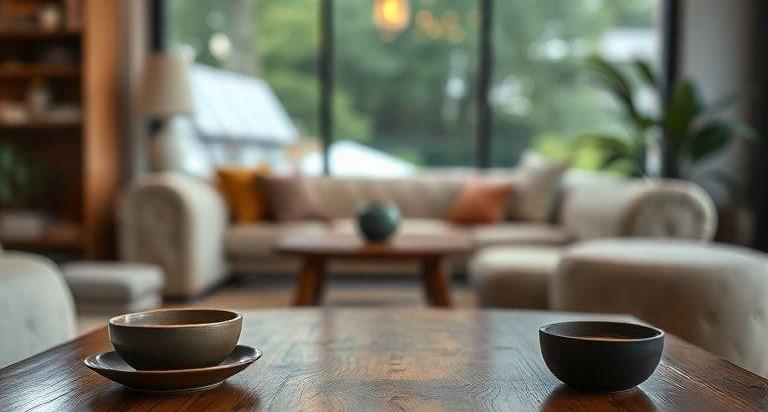
Top 5 1950s Coffee Tables
The 1950s was a decade of profound cultural transformation. As post-World War II optimism swept across the globe, it gave birth to new trends in art, design, and architecture. One of the most iconic movements during this period was the rise of mid-century modern style, which would influence furniture design for generations to come. Among the most cherished pieces from this era are the 1950s coffee tables, a stunning reflection of the innovative and sleek design sensibilities of the time.
The coffee table, once a mere functional piece of furniture, became a statement of design and craftsmanship in the 1950s. Combining aesthetics with practicality, these tables have stood the test of time, with their clean lines, minimalist form, and beautiful material choices still highly revered today. Whether you’re a seasoned collector or someone seeking to add a touch of vintage charm to your living space, understanding the allure of 1950s coffee tables is essential.
In this guide, we’ll explore why buying a 1950s coffee table is an investment worth considering, offer a detailed buying guide to help you navigate the market, delve into the care and maintenance required to preserve these vintage treasures, and wrap up with final thoughts on how a 1950s coffee table can elevate your home.
Top 5 1950s Coffee Tables

1. Eames Elliptical Coffee Table
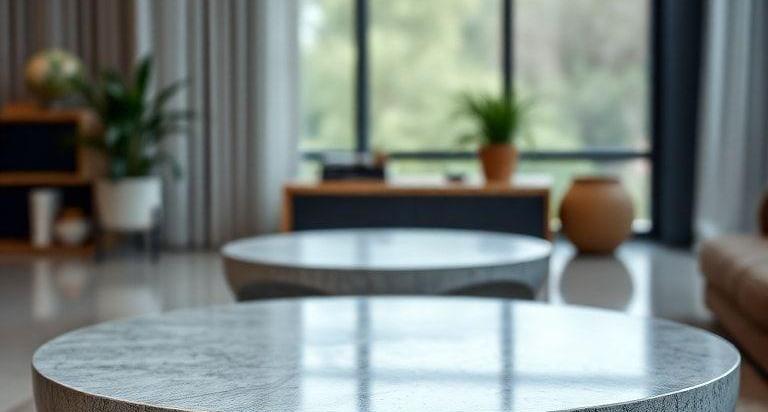
The Eames Elliptical Coffee Table is a total showstopper. This mid-century masterpiece is all about sleek lines and sophisticated curves, with a beautiful walnut veneer surface and those signature wooden legs that make it so iconic. It really embodies that 1950s ’less is more’ aesthetic, with a clean, modern design that still feels warm and inviting. It’s one of those pieces that just draws your eye in the room and says, ’I’m timeless.’
2. Broyhill Brasilia Coffee Table
If you’re a fan of bold design, the Broyhill Brasilia Coffee Table might just steal your heart. With its intricate, sculptural wooden legs and sleek walnut surface, it feels both futuristic and grounded, which was the vibe of the 1950s. The Brasilia line is all about clean lines with a touch of flair-this table is like the perfect marriage of style and functionality. It’s got that unique, retro charm that never goes out of style!
3. Heywood-Wakefield Coffee Table
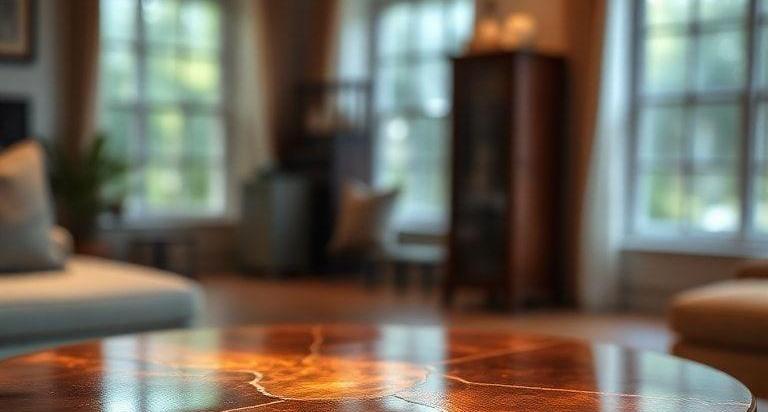
You can’t talk 1950s furniture without mentioning Heywood-Wakefield. Their coffee tables are total classics, and this one is no exception. The mid-century modern style of this table makes it a piece of art. With its light, buttery finish and tapered legs, it’s not just a coffee table; it’s a statement piece. It’s warm, inviting, and fits seamlessly into almost any décor, making it a perfect blend of form and function.
4. Knoll Barcelona Coffee Table
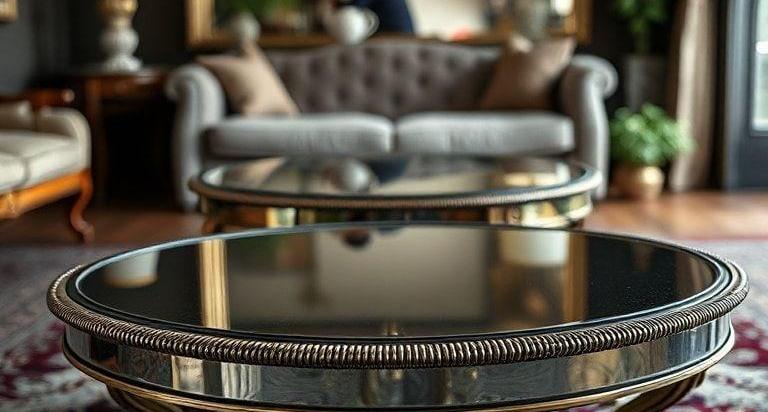
The Knoll Barcelona Coffee Table is an absolute icon of mid-century modernism. With its minimalistic yet striking design, this table features a clean glass top and an elegant, stainless-steel base. It’s a perfect example of how 1950s furniture designers could take simple materials and turn them into something extraordinary. If you’re looking for sophistication that still feels approachable, this piece is an instant classic!
5. G-Plan Oval Coffee Table
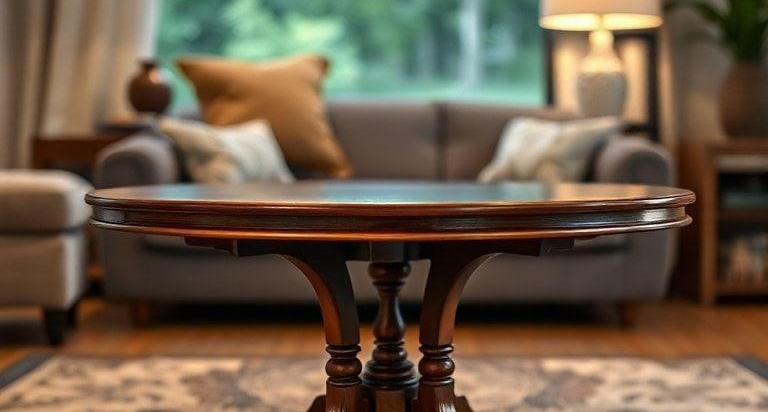
The G-Plan Oval Coffee Table might just be the perfect combination of functional and beautiful. It’s got that warm wood finish, paired with an elegant, curved top that still feels very contemporary. The simple, clean lines make it a great piece for any 1950s-inspired space. G-Plan really knew how to make a coffee table that would be practical but also stand out as a focal point in a living room. A perfect blend of elegance and everyday use!
Why Buy 1950s Coffee Tables?
The appeal of a 1950s coffee table extends beyond nostalgia or the search for vintage flair. These tables represent the height of mid-century modern design, a style that emphasizes simplicity, functionality, and the beauty of natural materials. But why should you consider purchasing one? There are several compelling reasons:
- Timeless Design: The clean, understated lines of 1950s coffee tables make them versatile enough to complement almost any decor. From the minimalist, Scandinavian-inspired models to the more sculptural, organic forms, these tables can blend seamlessly into both contemporary and retro settings. Their timeless aesthetic means that they won’t fall out of style as trends evolve.
- Durability and Craftsmanship: Furniture from the 1950s was crafted with attention to detail, and many pieces were built to last. Unlike mass-produced modern furniture, 1950s coffee tables were made from high-quality wood such as walnut, teak, and oak, often with intricate joinery and sturdy construction. Many of these tables have withstood decades of use, making them a testament to superior craftsmanship.
- Investment Value: Vintage furniture, particularly mid-century modern pieces, has seen a surge in popularity in recent years. The 1950s coffee table market is a desirable one, and the value of these tables can increase over time, especially if they are in good condition or are a rare design. Buying a 1950s coffee table isn’t just about adding beauty to your home-it’s a smart investment for the future.
- Sustainability: In an age of mass production and disposable goods, opting for vintage furniture is a more sustainable choice. By purchasing a 1950s coffee table, you’re reusing a well-made piece rather than contributing to the environmental impact of modern furniture production.
- Character and Charm: There’s something uniquely charming about owning a piece of history. A 1950s coffee table carries with it a sense of timelessness and a story to tell. Each scratch, patina, and imperfection adds character, making the piece even more special. These tables are not just functional; they are a reflection of an era that shaped design for decades.
Buying Guide For 1950s Coffee Tables
When searching for the perfect 1950s coffee table, it’s important to approach the purchase with knowledge and consideration. There are several factors to take into account to ensure that you’re getting an authentic, high-quality piece that suits your home. Here are the key aspects to consider:
-
Material And Finish
- Wood: Mid-century modern coffee tables were primarily made from hardwoods like walnut, teak, and oak. The rich, natural grains of these woods are central to the appeal of the table. Look for a table with intact wood surfaces, free from severe scratches, water damage, or excessive discoloration.
- Metal: Some tables featured metal legs or accents, often in brass or chrome, which were popular in 1950s design. These metals should show a patina or slight tarnish but should not have any deep rust or pitting.
- Glass: Many 1950s coffee tables also incorporated glass tops. Be sure to inspect the glass for any cracks, chips, or scratches. A table with its original glass top in good condition is a bonus.
-
Design Style
- Scandinavian Influence: Clean, minimalist lines with a focus on functionality. Look for low-profile tables with simple, elegant shapes.
- Organic/Abstract Shapes: Some tables took inspiration from nature, with organic, flowing forms that mimic shapes found in the natural world. These tables often have sculptural legs and curved edges.
- Tapered Legs: One of the most defining features of mid-century modern coffee tables is the use of slender, tapered legs. These often create a sense of lightness and openness in the design, even for solid wood pieces.
-
Condition
- Always check the condition of the table before purchasing. Original pieces may show signs of wear, but significant damage (e.g., cracks, warping, or broken legs) can drastically reduce the table’s value. Minor repairs or refinishing can restore many tables, but it’s essential to factor in the cost of restoration if needed.
- If possible, ask the seller for high-quality photos or an in-person viewing to ensure the table meets your expectations.
-
Provenance And Authenticity
- Authenticity plays a key role in determining the value of a 1950s coffee table. Look for any maker’s marks or labels that can verify its origins. Famous designers like George Nelson, Charles and Ray Eames, and Isamu Noguchi are associated with some of the most coveted mid-century coffee tables, and their work often carries a premium.
- You may also want to inquire about the provenance of the table-where it was made, who designed it, and any history behind its craftsmanship.
-
Size And Proportion
- Ensure that the coffee table fits proportionally within your space. Most 1950s coffee tables are low to the ground with a length of around 40 to 60 inches, but sizes can vary depending on the design. Measure the area where you plan to place the table to ensure it complements your existing furniture.
Maintenance & Care
To keep your 1950s coffee table looking its best for years to come, regular maintenance and care are essential. Here’s how to preserve its beauty:
-
Regular Cleaning
- Dust your coffee table regularly using a soft cloth to prevent the accumulation of dirt and grime. A microfiber cloth is ideal as it’s gentle on wood surfaces.
- Avoid using harsh chemical cleaners, as they can damage the wood finish. Instead, use a mixture of mild soap and water, or opt for furniture-specific cleaners that are designed for vintage wood.
-
Polishing And Conditioning
- Over time, the finish on wood can dull. Use a high-quality furniture polish or wood conditioner to keep the surface looking rich and hydrated. For tables with an oil finish, apply a penetrating oil every 6 to 12 months to prevent the wood from drying out and cracking.
-
Protecting The Surface
- Always use coasters, placemats, or trays to prevent rings and stains from forming on the surface. Water and heat can damage the wood, especially on tables with delicate finishes.
- If your coffee table has a glass top, clean it regularly with a glass cleaner to maintain clarity and avoid streaks.
-
Avoiding Direct Sunlight
- Prolonged exposure to direct sunlight can cause fading and discoloration in the wood. Position your coffee table away from direct sun or use curtains to protect the wood.
-
Repairs And Restoration
- If the table sustains any damage, consider professional restoration to preserve its authenticity. Repairing cracks, refinishing the surface, or reupholstering the legs can be worth the investment, particularly for high-quality vintage pieces.
Final Words
Purchasing a 1950s coffee table is not just about acquiring a piece of furniture; it’s about bringing a piece of history into your home. Whether you’re looking for a functional addition to your living room or a vintage collector’s item, these tables offer a unique blend of style, craftsmanship, and timeless appeal. With the right care, a 1950s coffee table can last for generations, becoming a cherished heirloom.