Top 5 1960s Coffee Tables
The 1960s marked a transformative era in design, where innovation, creativity, and an unparalleled sense of optimism influenced every aspect of life, including furniture. Among the most iconic pieces from this era are the 1960s coffee tables, which continue to captivate interior design enthusiasts, collectors, and homeowners alike. These tables, while serving their practical purpose of holding drinks and decor, have become treasured relics of a design revolution, exuding both elegance and functionality. As the mid-century modern movement reached its zenith, furniture became not only an item of necessity but an expression of culture, art, and social change.
The 1960s coffee tables are more than just functional furniture pieces; they are historical artifacts, showcasing the artistic spirit of their time. Featuring clean lines, bold shapes, and innovative materials, these tables are timeless examples of modernist sensibilities. Whether you’re a collector seeking an original, vintage piece or a design enthusiast looking to incorporate retro flair into your home, 1960s coffee tables provide a compelling choice. In this guide, we’ll delve deeper into why these pieces are so sought after, how to buy the perfect one, and how to maintain these valuable artifacts.
Top 5 1960s Coffee Tables
1. Eames Oval Coffee Table
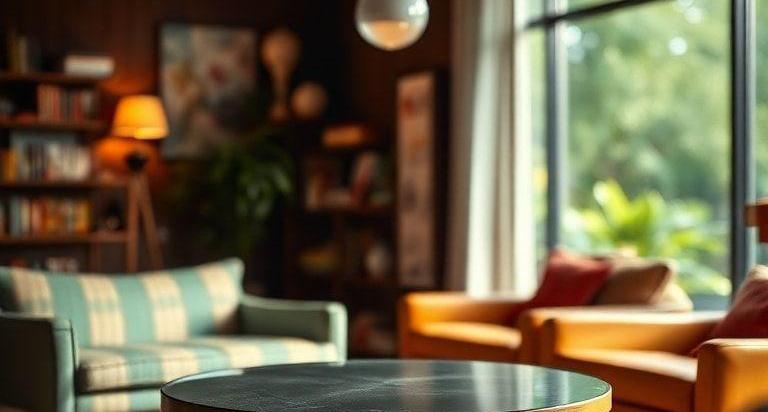
If there’s one coffee table that screams ’mid-century modern’ and is forever synonymous with the 1960s design, it’s the Eames Oval Coffee Table. Designed by the legendary Charles and Ray Eames, this table features a sleek, minimalist oval-shaped top with slender wooden legs that make it both a functional piece of furniture and a work of art. The table’s smooth veneer surface and unique, organic curves brought a sense of elegance and style to living rooms during the 1960s, and it’s still a coveted piece in vintage design collections today.
2. Noguchi Coffee Table
Oh, the Noguchi Coffee Table! This is one of those iconic designs that never goes out of style. Created by Japanese-American sculptor Isamu Noguchi, this coffee table is a true fusion of art and functionality. It features an elegantly sculpted wooden base with a glass top that seems to float above it. The design feels almost like a sculpture, so much so that some would argue it’s more of a piece of art than furniture. In the 1960s, it perfectly captured the era’s love for organic forms and clean lines, making it a staple in modernist homes.
3. Florence Knoll Coffee Table
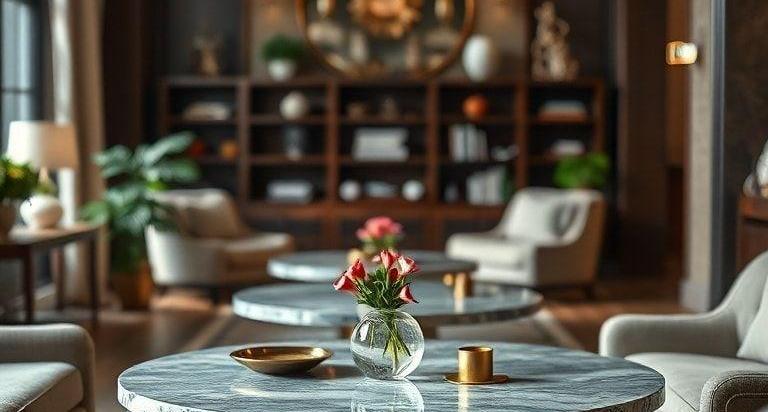
Florence Knoll, a design icon in her own right, gave us a coffee table that’s the epitome of understated elegance. The Florence Knoll Coffee Table is a perfect balance of form and function. Featuring a solid wood base with a sleek marble or wood top, it was a hit in the 1960s for its clean, geometric lines and minimalistic aesthetic. This coffee table was all about precision and sophistication and became a hallmark of professional, stylish interiors. If you want a piece of the 1960s that’s timeless, this is it.
4. Baughman for Thayer Coggin Coffee Table
This one’s a little more under-the-radar, but just as cool! The Baughman for Thayer Coggin Coffee Table, designed by the talented Milo Baughman, brings a bit of glamour and luxury to the 1960s coffee table scene. Featuring a polished metal base and a luxurious glass top, the table is bold yet refined, making it a perfect companion for mid-century modern sofas. With its streamlined, polished design, this table brought a touch of high-end modernism into homes that wanted to exude a bit of sophistication and flair during the era.
5. George Nelson Swag Leg Coffee Table
Designed by George Nelson, this table has those instantly recognizable ’swag legs’-the kind that make you feel like you’re stepping back into a 1960s design magazine. The table is simple yet distinctive, with a rectangular wood top and metal legs that curve in an almost whimsical fashion. It’s a playful, yet elegant piece that blends the functional with the artistic. The Swag Leg Coffee Table was a favorite in many homes during the 1960s for its unique form, solid craftsmanship, and the way it was the perfect combination of modern design and comfort.
Why Buy 1960s Coffee Tables?
The appeal of 1960s coffee tables transcends their aesthetic charm. The decade saw a dramatic shift in design principles, moving away from the ornate, heavy furniture of previous eras to sleek, minimalist pieces that emphasized function, form, and simplicity. This design ethos, often categorized under mid-century modern, has maintained a lasting influence on contemporary interiors. Buying a 1960s coffee table is not just about adding a piece of furniture to a room-it’s about embracing a cultural and stylistic movement that defined an era.
- Aesthetic Value: 1960s coffee tables often feature distinctive characteristics that immediately evoke nostalgia for the mid-century modern period. These tables combine organic shapes with geometric lines, using natural materials like wood, glass, and metal. The minimalist approach to design allows these tables to seamlessly blend into both traditional and contemporary interiors. Their clean, uncluttered look makes them an ideal choice for modern spaces looking for retro charm.
- Historical Significance: These tables are pieces of design history, reflecting the social, cultural, and technological advancements of the 1960s. The era was marked by a profound sense of optimism, a growing fascination with space exploration, and a desire to push boundaries. Designers like Eero Saarinen, George Nelson, and Charles and Ray Eames contributed to an era that celebrated both form and function in ways that still resonate today. Owning a 1960s coffee table means possessing a fragment of that rich, innovative history.
- Investment Potential: The demand for vintage and retro furniture has seen a sharp rise in recent years. Many 1960s coffee tables are considered highly collectible, especially those designed by prominent designers. Whether it’s a classic Noguchi table with its sculptural base or an Eames-inspired piece, these tables have proven to increase in value over time, making them not just functional, but financially prudent investments.
- Uniqueness: Each 1960s coffee table carries its own unique design signature. From rare materials like marble and teak to avant-garde forms inspired by the organic shapes of nature, these tables offer a degree of uniqueness that mass-produced, contemporary tables often lack. Owning a vintage 1960s coffee table ensures that your home has a distinctive and stylish statement piece that can’t be easily replicated.
Buying Guide For 1960s Coffee Tables
Purchasing a 1960s coffee table is an exciting venture, but it’s essential to approach it with a discerning eye to ensure you’re investing in an authentic, high-quality piece. The vintage furniture market can be tricky to navigate, with fakes and reproductions often surfacing in the marketplace. Below are some key considerations to keep in mind when purchasing a 1960s coffee table:
- Authenticity and Provenance: The first step in buying a 1960s coffee table is ensuring its authenticity. Look for original labels, stamps, or documentation that can trace the piece back to its designer or manufacturer. Brands like Herman Miller, Knoll, and Eero Saarinen are highly sought after, so a piece with the correct provenance will command higher value. If you’re purchasing from a secondhand dealer, inquire about the history of the table and ask for any supporting documents or certificates of authenticity.
- Condition and Wear: Vintage furniture naturally shows signs of wear, and a 1960s coffee table is likely no exception. However, while some patina or aging is expected and even adds character, excessive damage can detract from the table’s value. Look for issues like scratches, dents, or warping in the wood, and ensure that the glass surfaces are free of cracks or chips. If the table has metal components, check for rust or corrosion, which could be costly to repair. Be prepared for the fact that restoration may be necessary, but ensure any work done maintains the original design integrity.
- Material Quality: The materials used in 1960s coffee tables were often of superior quality. Solid woods like walnut, teak, and rosewood were commonly used, while glass, marble, and metal were popular accents. If you’re seeking a particularly high-end table, materials like marble or rare woods can significantly elevate the piece’s value. Check the table’s surface for signs of damage and verify the material type with an expert if you are unsure.
-
Style and Design: The 1960s saw the flourishing of various coffee table styles, from angular geometric designs to more organic, flowing forms. Some of the most famous 1960s coffee tables include:
- Noguchi Table: Designed by Isamu Noguchi, this sculptural table features a glass top supported by a unique wooden base, resembling a work of art as much as a functional object.
- Eames Coffee Tables: Designed by Charles and Ray Eames, these tables often feature sleek wood or molded plastic construction, embodying the mid-century modern aesthetic of clean lines and functionality.
- Teak and Rosewood Tables: Tables made from these fine hardwoods were common in the 1960s, offering a warm, rich finish that remains a signature look of vintage furniture.
- Size and Proportions: 1960s coffee tables typically have low profiles and are designed to complement the seating arrangement of the time, which often included low sofas and chairs. Measure your space carefully to ensure that the table’s dimensions fit well in your living room or sitting area. Tables from this era are often smaller than contemporary models, so make sure it suits your needs for both aesthetics and function.
- Budget: Depending on the designer, condition, and rarity, the price range for a 1960s coffee table can vary widely. While you can find more affordable options from lesser-known designers, premium pieces by names like Charles Eames, George Nelson, or Hans Wegner will command higher prices. Always set a budget but be prepared for potential additional costs, such as restoration or shipping.
Maintenance & Care
Owning a vintage piece of furniture like a 1960s coffee table requires a certain level of maintenance to ensure that it remains in good condition for years to come. Whether made of wood, glass, or metal, each material requires specific care techniques to preserve its beauty and functionality.
- Wood: Wood is one of the most common materials used in 1960s coffee tables. Over time, wood can dry out, leading to cracking or fading. Regularly dust the table with a soft cloth to prevent dirt buildup. To maintain the wood’s luster, apply a high-quality wood polish or wax designed for mid-century modern furniture. Avoid harsh chemicals that can strip away the finish. For tables with teak or rosewood, use specialized oil to nourish the wood and prevent it from drying out.
- Glass: Many 1960s coffee tables feature glass tops. To avoid scratches or chips, always clean the glass with a non-abrasive cleaner and a soft cloth. Do not use paper towels, as they can cause micro-scratches. For any significant chips or cracks, it is best to have the glass professionally repaired or replaced by a specialist to retain the table’s value.
- Metal: If your table has metal components, ensure that you clean them regularly to prevent dust and grime buildup. For rust prevention, consider using a metal cleaner or a mild soap-and-water solution. Avoid soaking the metal, as excessive moisture can lead to corrosion.
- General Care: Avoid placing your coffee table in direct sunlight, as this can cause fading over time, particularly for wooden or leather surfaces. Be cautious when placing hot drinks or heavy objects on the table, as this could leave marks or cause warping.
Final Words
Investing in a 1960s coffee table is more than simply purchasing a piece of furniture-it’s about embracing a piece of history, style, and craftsmanship. These tables offer a unique blend of form and function, exuding elegance while providing a practical centerpiece for your living space. Whether you’re drawn to the sculptural beauty of the Noguchi table or the minimalist lines of a teak design, the 1960s coffee table is a timeless addition to any home.