Top 5 Primitive Coffee Tables
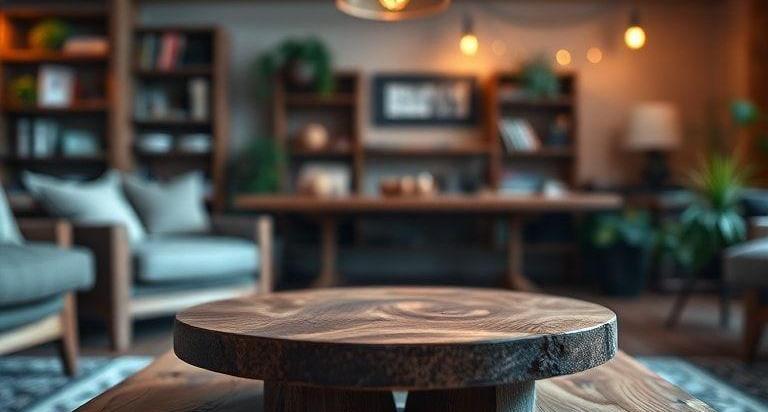
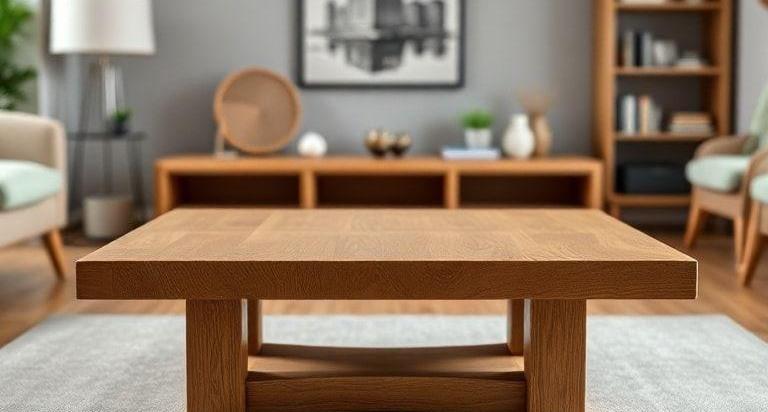
A coffee table is not merely a piece of furniture-it’s a central gathering place in any living room, acting as a focal point where people place drinks, display décor, or even rest their feet. Among the many types of coffee tables available, primitive coffee tables stand out for their rustic charm, authenticity, and timeless appeal. Derived from early furniture-making traditions, primitive coffee tables often feature handcrafted designs, rustic finishes, and an enduring, earthy aesthetic that invokes a sense of warmth and history in your home.
These tables evoke a connection to simpler times, providing a raw, unpolished beauty that blends effortlessly with a range of interior styles-from country cottages and farmhouse settings to modern spaces seeking a bit of rustic flair. With their rich textures, solid construction, and craftsmanship, primitive coffee tables are more than just functional furniture-they are works of art that tell a story.
In this guide, we’ll explore why you should consider buying a primitive coffee table, what factors to look for when shopping for one, and how to care for these unique pieces to preserve their beauty and durability for years to come.
Top 5 Primitive Coffee Tables
1. Antique Pine Wood Coffee Table
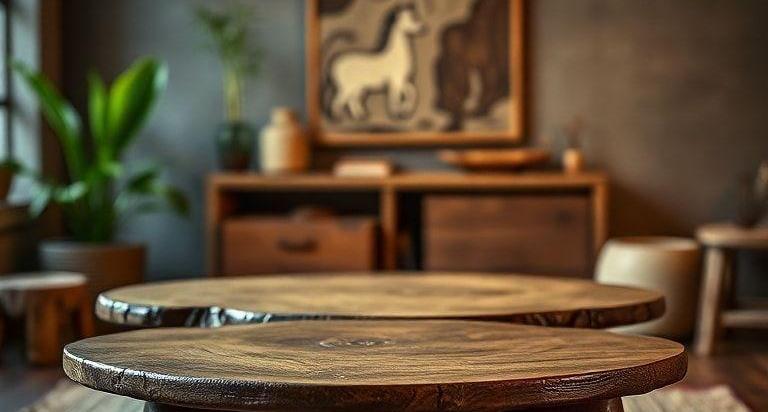
This beautiful antique pine wood coffee table is the perfect piece to add some rustic charm to your living room. With its rich, weathered finish and sturdy construction, it speaks to a bygone era while providing all the functionality you need. It has a great balance between rustic and practical, offering ample space for drinks, books, or even a decorative centerpiece. Whether you’re trying to give your space an old-world feel or just want a unique statement piece, this coffee table is a winner.
2. Farmhouse Reclaimed Wood Coffee Table
If you’re a fan of the farmhouse look, this reclaimed wood coffee table will fit right into your home. Made from distressed wood, it has a raw, natural beauty that speaks to craftsmanship and time. The combination of rustic charm and functionality is spot-on, with a spacious top that’s perfect for hosting your favorite beverages or showing off a few decorative items. This table’s got character, and it’s the kind of piece that just gets better with age.
3. Primitive Barrel Coffee Table
For something that blends industrial with rustic, this primitive barrel coffee table is a showstopper. The base is made from a repurposed metal barrel, giving it that rugged, worn look that you can’t replicate with new materials. The wooden top brings in some warmth, making it the ideal piece to add to a loft or a country-inspired living room. Not only does it add texture and interest, but it also tells a story with its upcycled design.
4. Rustic Lodge Coffee Table
This rustic lodge coffee table feels like it belongs in a cozy cabin retreat, with its thick, chunky wood design and natural finish. It has a sense of strength and durability, making it a perfect fit for a family space. The wood’s deep, earthy tones evoke the feeling of nature, and the table’s chunky legs and sturdy structure provide a foundation for your living room to feel warm and inviting. It’s a table that will always be in style.
5. Vintage Wooden Trunk Coffee Table
If you’re looking for a unique twist on the classic coffee table, the vintage wooden trunk is the way to go. It combines both style and function in one beautiful piece. With its weathered finish and metal accents, this table gives off that charmingly old-school vibe. It’s perfect for storing blankets, books, or even games, making it both a conversation starter and a clever storage solution. Plus, it’s like a little treasure chest that adds character wherever you place it!
Why Buy Primitive Coffee Tables?
Authenticity And Craftsmanship
Primitive coffee tables stand out for their craftsmanship. Many are handmade by artisans who embrace time-honored techniques, ensuring each piece is unique. This level of craftsmanship not only guarantees quality but also makes these tables feel like treasures that have been passed down through generations. Whether made from reclaimed wood, distressed metals, or hand-forged iron, primitive coffee tables offer an authenticity that mass-produced modern furniture simply cannot match.
Timeless Aesthetic
One of the key reasons people opt for primitive coffee tables is their rustic charm. These tables embody an ageless quality, drawing from historical designs that date back centuries. Their weathered look and organic shapes exude a sense of timelessness that complements almost any interior design style. Whether your home is modern, eclectic, traditional, or even industrial, a primitive coffee table can act as the perfect anchor piece, adding character and a welcoming touch to your living space.
Durability And Quality
Primitive coffee tables are often made from solid hardwoods like oak, pine, or walnut, all of which are known for their durability. These materials can withstand daily use, making them practical additions to any home. Unlike more contemporary tables, which may be constructed with particleboard or cheaper veneers, primitive coffee tables are built to last, often becoming heirloom pieces passed down through generations.
Natural Materials And Eco-Friendliness
Many primitive coffee tables are crafted from reclaimed wood, making them eco-friendly choices for environmentally conscious consumers. Using reclaimed materials not only reduces waste but also gives the table a distinct character, as the wood may have been sourced from barns, old buildings, or other structures, giving each table a unique history. This focus on natural materials ties the furniture to the earth and is especially appealing for those who want to incorporate sustainable choices into their home.
Versatility
While primitive coffee tables have a distinct style, they are surprisingly versatile. The rustic beauty of a primitive table works seamlessly in a variety of settings. Whether you’re styling a modern loft or a cozy cottage, the rugged look of a primitive table can provide a grounded, warm contrast to more polished furniture. Its timelessness allows it to transition through different décor themes, meaning it will remain relevant and stylish even as trends evolve.
Buying Guide For Primitive Coffee Tables
When it comes to purchasing a primitive coffee table, there are several important factors to consider. Here’s a guide to help you make an informed decision:
Material And Construction
Primitive coffee tables are commonly made from wood, but the type of wood used can vary significantly. Some of the most common woods used in primitive coffee tables include:
- Reclaimed Wood: As mentioned, reclaimed wood is often used in the crafting of primitive furniture. It’s eco-friendly, unique, and tells a story. Each piece of reclaimed wood may have different grain patterns, colors, and imperfections, which gives each table its own individual character.
- Hardwoods: Oak, pine, walnut, and maple are popular choices for their durability and natural beauty. Hardwoods are generally more resilient and harder-wearing, making them ideal for high-traffic areas like living rooms.
- Softwoods: Some primitive tables may be made from softer woods like pine or fir. While these can offer a charming, lighter look, they might be more susceptible to dents or scratches over time.
Size And Proportions
Before purchasing a primitive coffee table, consider the size of your space and how the table will fit within the room. A general rule of thumb is that the coffee table should be about two-thirds the length of the sofa. Additionally, the height of the table should align with the seat of the sofa-around 16-18 inches in height is typical for a coffee table.
Make sure to leave enough room for foot traffic and consider any other furniture pieces that will be around the table. A larger living room may benefit from a longer, more substantial coffee table, while a smaller room might require a more compact design.
Design And Style
Primitive coffee tables can come in a variety of styles-from simple, rustic designs to more ornate, vintage-inspired pieces. Choose a table that complements the existing furniture in your living room. If your space is minimalist, you might prefer a more streamlined, simple design. On the other hand, if your home features eclectic décor, you might opt for a more detailed, carved table.
Look for interesting textures, whether it’s rough-hewn wood, metal accents, or distressing techniques. The finish is another important element-some primitive tables feature a distressed or weathered look, while others have a more polished surface.
Functionality
Beyond aesthetics, make sure the coffee table suits your practical needs. Do you need storage? Some primitive coffee tables include features like hidden drawers, shelves, or even lift-top designs for added convenience. If you often entertain, a table with additional storage might be ideal for stashing away remote controls, coasters, or other essentials.
Budget
Primitive coffee tables can vary significantly in price. Typically, the more intricate the design and the higher the quality of materials, the more expensive the table will be. If you’re on a budget, consider looking for tables made from reclaimed materials, as they can be more affordable yet still retain the character and beauty of handmade craftsmanship.
Maintenance & Care
Cleaning
Cleaning your primitive coffee table requires gentle care to preserve the wood’s natural finish. Regular dusting with a soft cloth will help prevent dirt buildup. Avoid using abrasive cleaning materials that can scratch the surface. For occasional deep cleaning, use a wood cleaner or conditioner designed for the specific finish of your table (e.g., oil-based or waxed finishes).
Avoid Moisture
One of the primary concerns with wooden furniture, especially antique or reclaimed wood, is moisture. Keep drinks and other liquids away from the table’s surface to avoid rings, stains, or warping. If your table has a varnished or waxed finish, be sure to wipe up any spills immediately. Consider using coasters, placemats, or trays to protect the surface.
Regular Oiling Or Waxing
To maintain the finish and prevent the wood from drying out, periodically apply a wood oil or wax. This will help keep the wood hydrated, adding a natural sheen while preserving its texture. For tables with a more rustic, weathered appearance, you may prefer using beeswax or a non-toxic wood conditioner to enhance the natural grain without altering its authentic look.
Protect From Direct Sunlight
Long-term exposure to direct sunlight can cause the wood to fade and lose its luster. To prevent sun damage, position the coffee table away from windows that get a lot of direct sunlight or use window coverings to filter the light.
Repairing Damage
Due to their natural materials, primitive coffee tables may develop chips or cracks over time. If you notice any damage, consider repairing it with wood filler and then sanding and refinishing the area. For more intricate repairs, it’s worth consulting a professional furniture restoration expert to maintain the table’s value and aesthetic.
Final Words
A primitive coffee table is more than just a functional piece of furniture-it’s an investment in your home’s atmosphere. With their timeless appeal, unmatched craftsmanship, and connection to history, these tables can elevate any living room or seating area. Whether you’re drawn to the natural beauty of reclaimed wood or the rugged charm of a hand-forged design, a primitive coffee table can bring both style and practicality to your space.