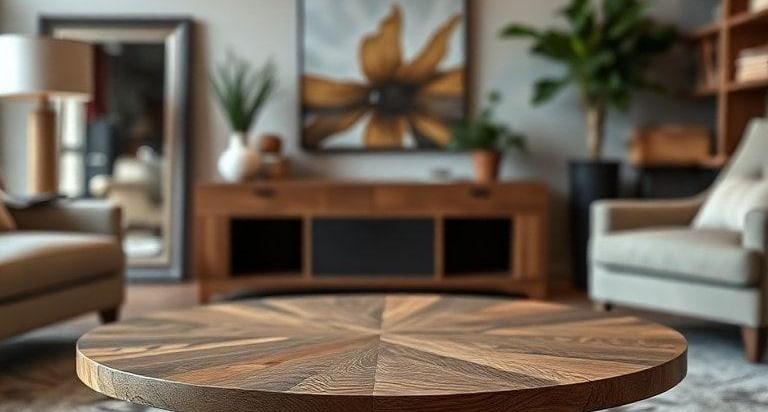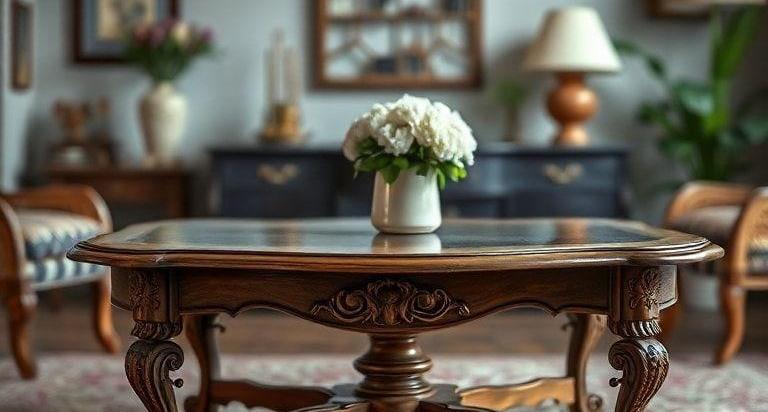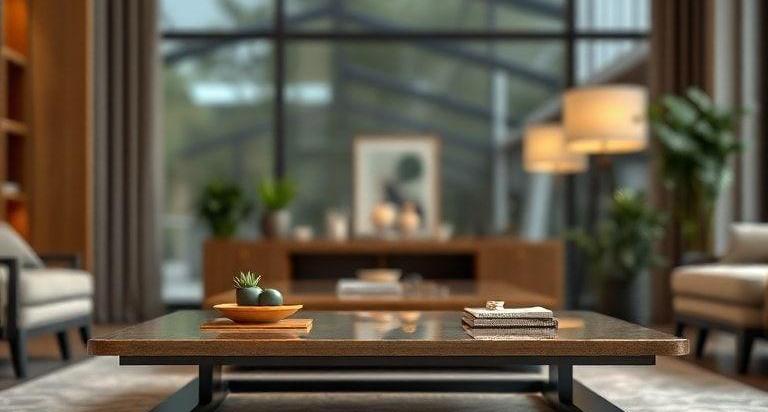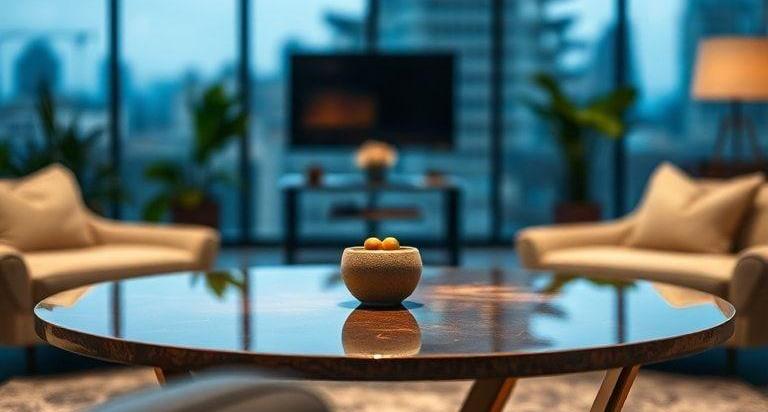
Top 5 Organic Wood Coffee Tables
When it comes to furnishing a home, the choice of materials plays a crucial role in the overall aesthetic, sustainability, and functionality of your space. One of the most timeless and beloved choices is organic wood, particularly when it comes to statement pieces like coffee tables. These natural, handcrafted tables not only serve as practical additions to any living room but also bring an undeniable warmth and charm to a space, thanks to the unique patterns, textures, and grains of the wood. Unlike mass-produced furniture, organic wood coffee tables are often one-of-a-kind, each piece telling its own story through the natural marks and characteristics of the wood.
But why should you opt for an organic wood coffee table over other materials? The growing interest in sustainability and environmental consciousness has led many consumers to seek out furniture made from renewable resources, and organic wood fits the bill perfectly. These tables are made from responsibly sourced timber, free from harmful chemicals and synthetic treatments, ensuring that your purchase contributes positively to both the environment and your home’s overall vibe.
In this guide, we’ll explore why you should consider buying an organic wood coffee table, how to choose the right one for your space, how to maintain and care for it, and why organic wood tables are a lasting investment for any home.
Top 5 Organic Wood Coffee Tables
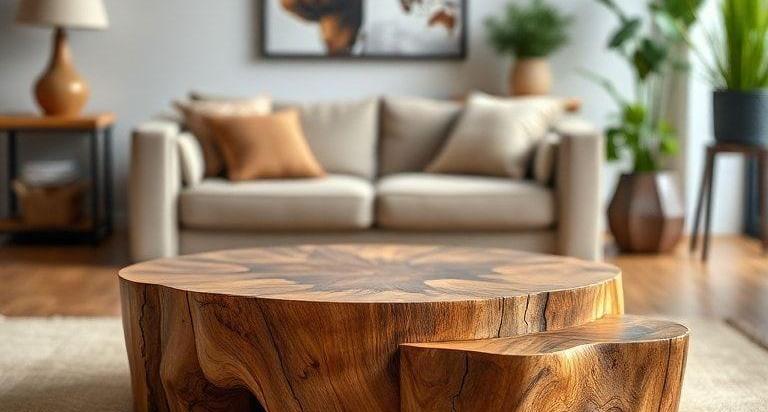
1. Lipper International 8261 Acacia Wood Coffee Table
This is one of those coffee tables that practically screams quality. Made from gorgeous, sustainably sourced acacia wood, it’s got that warm, rich color that can really tie a room together. Plus, it’s got a simple yet sturdy design with plenty of space, so it’s not just pretty – it’s practical too. If you’re a fan of natural, organic wood with a rustic vibe, this table brings all the charm without being over the top.
2. Vivo Walnut Live Edge Coffee Table
The Vivo Walnut Live Edge table is like the cool, artistic friend you wish you had. It embraces the natural edges of the wood, showing off its stunning walnut grain. This isn’t your average coffee table – it’s a statement piece, with the live edge design making it feel truly one-of-a-kind. You’ll love the way the dark wood contrasts against lighter decor. And it’s not just a pretty face – it’s rock solid, too!
3. West Elm Reclaimed Wood Coffee Table
I’m absolutely in love with this one. If you’re looking for something that’s sustainably made and just oozes character, the West Elm Reclaimed Wood Coffee Table should be at the top of your list. Each table is made from reclaimed wood, meaning it has a history to it, and that gives it this incredible rustic charm. Plus, it’s eco-friendly – perfect if you want to make a stylish and sustainable choice. The modern, minimalist design makes it super versatile in a lot of different types of rooms.
4. Amish Custom Coffee Table
If you’re in the mood for something handcrafted, this Amish Custom Coffee Table is the way to go. Handmade by artisans using organic wood, it’s got that heirloom-quality craftsmanship that’s hard to beat. Each piece of wood is carefully selected for its natural beauty, and you can choose from a range of wood types, including oak, maple, and cherry. It’s sturdy, durable, and full of character – plus, it’s customizable, so it fits your specific space perfectly.
5. Rough Sawn Wood Coffee Table by Barnwood Living
This one is for those who are into that true rustic charm. The Rough Sawn Wood Coffee Table has a rough, unfinished texture that gives it a raw, organic feel – it’s perfect if you love the idea of having a piece that looks like it’s been pulled right from nature. Made with reclaimed barn wood, it has a story behind it, making it not only a gorgeous table but a conversation starter. It’s bold, functional, and definitely stands out!
Why Buy Organic Wood Coffee Tables?
Sustainability And Eco-Friendliness
Organic wood coffee tables are a natural choice for those looking to make environmentally conscious decisions when decorating their homes. Unlike furniture made from synthetic materials or non-renewable resources, organic wood is a renewable material that, when sourced responsibly, has a minimal environmental impact. The term ’organic’ typically refers to wood that is harvested from forests that follow strict sustainability practices. These forests prioritize the protection of wildlife habitats, minimize deforestation, and often employ reforestation practices to ensure that the wood you purchase is replenished over time.
Furthermore, organic wood furniture is free of harmful chemicals, glues, or finishes often used in mass-produced furniture. These chemicals can off-gas over time, impacting indoor air quality. Organic wood, on the other hand, is treated with natural oils or non-toxic finishes, making it safer for both your health and the planet.
Unique Aesthetic Appeal
Each piece of organic wood is unique, with natural variations in color, grain, texture, and even imperfections such as knots or mineral streaks. These natural features add to the beauty of the furniture, ensuring that no two coffee tables are alike. This distinctiveness can give your living room a sense of authenticity, creating a conversation piece that feels personal and crafted with care.
The organic wood look also fits seamlessly with a variety of interior styles, from rustic farmhouse to modern minimalist, mid-century, or industrial. Its natural hues-ranging from rich mahoganies to lighter oaks or even exotic woods like teak-add warmth and depth to any space. Whether you want the deep character of reclaimed wood or the smooth elegance of sustainably harvested maple, there’s an organic wood coffee table to match your taste.
Longevity And Durability
Organic wood coffee tables are often built to last, especially when made from high-quality hardwoods. Unlike tables made from cheaper engineered materials, such as MDF (Medium Density Fiberboard) or particleboard, organic wood tables are typically solid and built to endure years of use. The durability of organic wood makes it a wise investment for those who want to avoid frequent replacements. Over time, a well-maintained organic wood table can even become more beautiful, with the wood developing a rich patina that adds to its character.
Buying Guide For Organic Wood Coffee Tables
Material Selection
The type of wood used in the construction of your coffee table will significantly affect its look, durability, and price. Hardwoods like oak, maple, walnut, and teak are popular choices for organic wood furniture due to their strength and visual appeal. Here are a few considerations for choosing the right wood:
- Oak: Known for its strength and prominent grain pattern, oak offers a rustic charm and works well in farmhouse or traditional settings.
- Walnut: Dark, rich, and refined, walnut is often chosen for more luxurious, high-end tables due to its striking appearance.
- Teak: Ideal for outdoor use, teak is highly resistant to weathering, making it a perfect choice if you’re considering a wood table for a patio or sunroom.
- Maple: With a lighter hue and smoother grain, maple offers a more modern, minimalist vibe that suits contemporary interiors.
Construction Quality
Craftsmanship is a critical factor in determining the longevity and aesthetic of your organic wood coffee table. Look for tables that are made by skilled artisans, as they will ensure that the wood is properly treated, joints are securely fastened, and the overall structure is robust. Handcrafted tables may carry a premium price tag, but they are typically built to last longer and can offer more intricate details than mass-produced options.
Size And Proportions
Before purchasing an organic wood coffee table, consider the size of your living room and the scale of your furniture. A table that’s too small may look out of place, while one that’s too large can overwhelm the space. Typically, a coffee table should be about two-thirds the length of your sofa and have a height that’s level with or slightly lower than the seat cushions. Be sure to measure your space carefully to find a table that fits comfortably without overcrowding the room.
Style And Finish
Organic wood coffee tables come in a variety of styles and finishes. You can choose from raw, natural edges that highlight the wood’s organic shape or opt for a sleek, polished finish for a more refined look. Some tables also feature mixed materials, such as metal legs or glass tops, to create a more modern or industrial aesthetic. When choosing a finish, make sure it complements your existing decor. Matte or satin finishes preserve the natural look of the wood, while high-gloss finishes can add a more contemporary feel.
Budget
While organic wood coffee tables can range in price from affordable to expensive, it’s important to find a table that fits both your aesthetic and your budget. Keep in mind that the quality of the wood, the craftsmanship, and the rarity of the material will all affect the price. It may be worth investing in a higher-quality table if you’re looking for longevity and durability.
Maintenance & Care
Organic wood coffee tables require some maintenance to ensure their beauty and longevity. Regular care will help preserve the wood’s natural finish and prevent it from warping or cracking over time.
Cleaning
To clean your organic wood table, use a soft, dry cloth to wipe away dust and debris. For more stubborn dirt, lightly dampen the cloth with water and a mild soap solution, but be sure not to oversaturate the wood. Harsh chemicals and abrasive cleaners should be avoided, as they can damage the wood’s finish.
Protecting The Surface
Wood is naturally susceptible to scratches, stains, and heat marks. Consider using coasters, placemats, and tablecloths to protect the surface from spills, cups, or hot items. It’s also a good idea to place felt pads under any decorative objects or lamps placed on the table to prevent scratches.
Polishing And Oiling
Over time, the finish on your organic wood table may begin to lose its luster. To restore its shine, you can apply a natural wood polish or oil, such as beeswax or tung oil. These products nourish the wood, helping to protect it from drying out and cracking. However, avoid using oily or greasy substances, as they can attract dust and dirt.
Avoiding Direct Sunlight
Exposing your organic wood coffee table to direct sunlight for long periods can cause the wood to fade or dry out. Try to place your table in a location where it is not constantly exposed to intense sunlight. If necessary, use curtains or blinds to protect the wood from UV rays.
Final Words
Organic wood coffee tables offer a unique combination of beauty, sustainability, and durability. They make a statement in any living room, bringing nature indoors while providing functional and long-lasting furniture. Whether you’re drawn to the rustic charm of reclaimed wood or the sophisticated elegance of finely grained hardwoods, an organic wood coffee table is sure to elevate your home’s decor.