Top 5 Asian Coffee Tables
When you think about home décor, one of the most important elements that anchors a room is the coffee table. It’s not just a place to set your coffee cup or a few decorative items, but a central point around which conversation flows and gatherings happen. Among the many styles of coffee tables available, Asian-inspired coffee tables stand out for their rich history, craftsmanship, and aesthetic appeal. These tables evoke a sense of elegance and tranquility, often reflecting centuries of tradition and artistry. From intricate wood carvings to minimalist designs, Asian coffee tables can transform any living room into a space that feels both timeless and inviting.
In this guide, we’ll explore why buying an Asian coffee table can elevate your home décor, provide you with a buying guide to help you choose the perfect table, discuss proper maintenance and care, and offer some final thoughts to help you make an informed decision. Whether you are a seasoned enthusiast of Asian design or simply looking to add an exotic touch to your living space, understanding the nuances of these tables will ensure that your choice not only enhances your interior but becomes a conversation piece for years to come.
Top 5 Asian Coffee Tables
1. Zebra Wood Tea Table
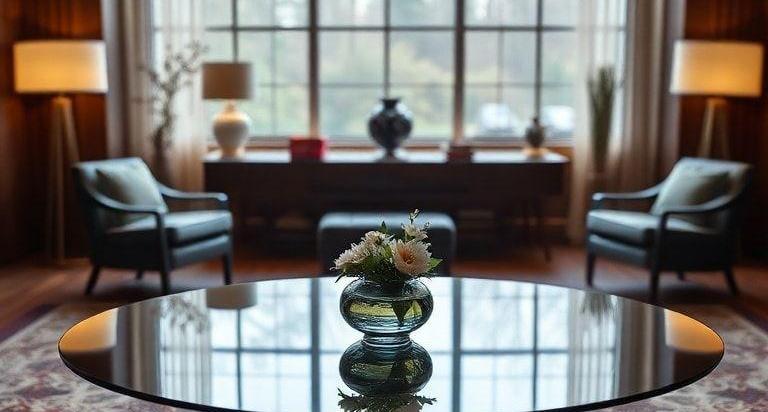
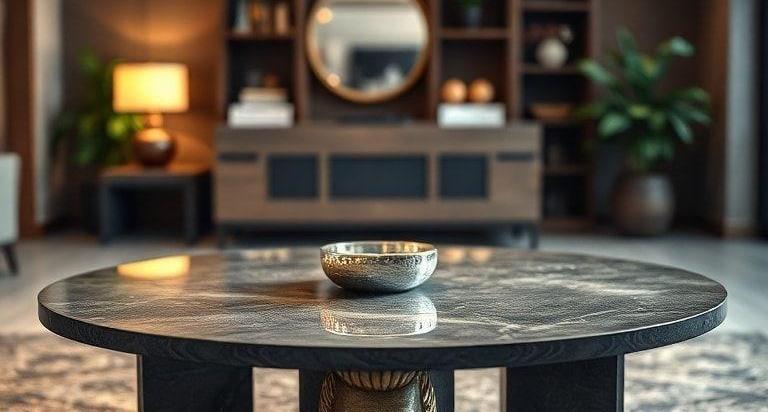
The Zebra Wood Tea Table brings a touch of luxury with its beautifully dark, striped wood grain. It’s minimalistic yet elegant, offering the perfect balance between modern design and traditional Asian craftsmanship. This table’s low profile is ideal for those who want a more laid-back, zen vibe in their living room, and it’s great for setting up a tea ceremony or just lounging with a good book.
2. Bamboo Fusion Coffee Table
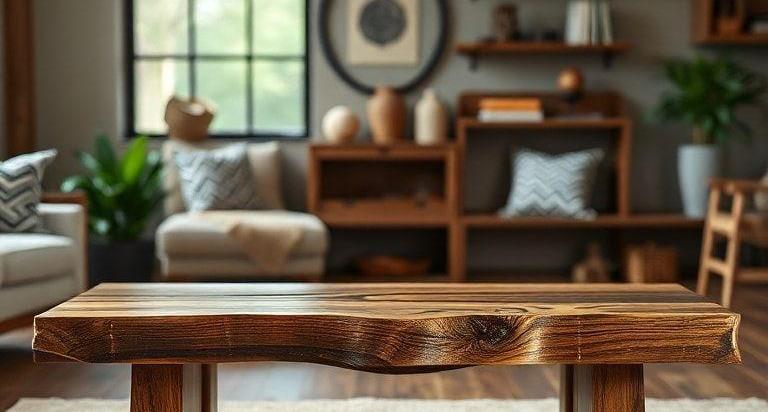
If you love eco-friendly design, this Bamboo Fusion Coffee Table might just be your new favorite. Combining sleek modern lines with the natural beauty of bamboo, it effortlessly bridges the gap between sustainability and style. Its smooth surface and sturdy build make it perfect for a high-traffic living room while adding an earthy, organic touch to the space.
3. Japanese Shoji Folding Coffee Table
Talk about a blend of tradition and practicality! This Japanese Shoji Folding Coffee Table has that beautiful paper-screen-inspired design, making it ideal for anyone seeking a touch of minimalist Japanese aesthetics. Its foldable nature makes it super versatile and space-saving, so you can easily tuck it away when you need more floor space. It’s the perfect piece for creating a calm, serene atmosphere.
4. Chinese Antique Elmwood Table
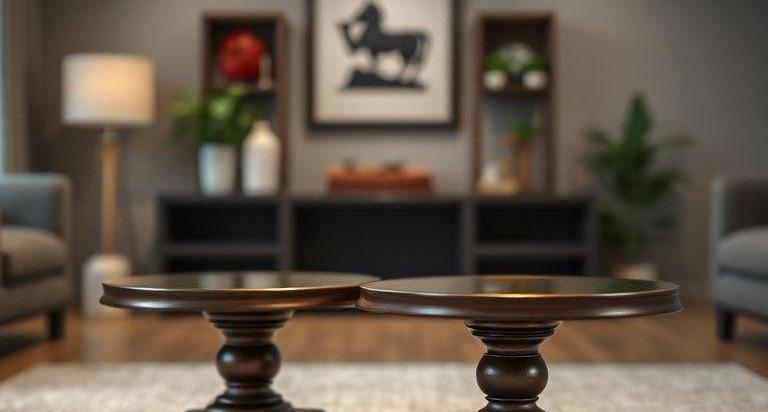
This antique-inspired Chinese Elmwood Table brings a rich history into your living space. The intricate carvings along the edges and the distressed wood finish make it look like a treasure from another era. If you’re someone who appreciates the art of antique furniture, this piece will definitely give your room that traditional, refined look, while still being totally functional for modern living.
5. Korean Hanok Style Coffee Table
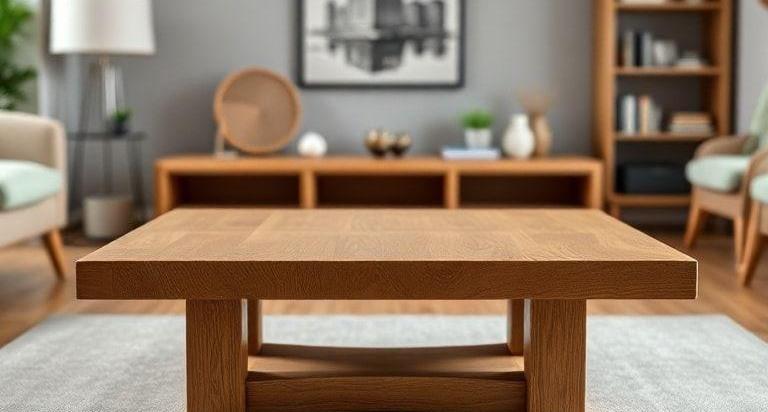
If you’ve ever been captivated by traditional Korean architecture, then this Hanok-style coffee table will totally resonate with you. Inspired by the iconic curved roofs and wooden beams of Hanok homes, this table features clean lines and a warm, natural wood finish that’s perfect for creating a calming atmosphere. Whether you’re entertaining guests or just enjoying a cup of coffee, its solid craftsmanship and inviting aesthetic will make it the focal point of any room.
Why Buy Asian Coffee Tables?
There are several reasons why Asian coffee tables make a standout addition to any home. Whether it’s the cultural significance, the quality of craftsmanship, or the versatility in design, these tables offer much more than just functionality.
-
Cultural Significance And Symbolism
Asian coffee tables, often inspired by traditional designs from countries like China, Japan, and India, carry with them deep cultural meaning. In Chinese culture, for example, furniture pieces like coffee tables are sometimes designed to symbolize prosperity, harmony, or good fortune. Intricate woodwork, often found in Chinese and Japanese designs, can represent elements of nature, such as mountains, trees, or birds. These symbolic elements can infuse your living room with a sense of purpose and connection to the natural world.
-
Timeless Craftsmanship
Asian cultures have long been celebrated for their incredible attention to detail and artisanal skills. Furniture is no exception. Whether crafted from rich mahogany, teak, or bamboo, the woodwork of Asian coffee tables is often painstakingly done by hand. High-quality materials combined with time-honored techniques result in pieces that stand the test of time, both in terms of durability and style. The level of craftsmanship is reflected in the fine carving, lacquer finishes, and thoughtful design.
-
Versatility In Design
Asian coffee tables come in a variety of styles, making it easy to find one that fits your taste. From sleek, modern Japanese-inspired tables that focus on simplicity and elegance to ornately carved tables from China and India that evoke a sense of grandeur, there is a wide range of designs to choose from. The natural wood tones of these tables also blend seamlessly with many other interior design styles, including contemporary, bohemian, and traditional settings.
-
Aesthetic Appeal
An Asian-inspired coffee table is more than just a functional piece of furniture; it is a work of art. The graceful lines, intricate detailing, and beautiful finishes can bring a sense of serenity and sophistication to any room. Many designs feature elements such as low profiles, minimalist shapes, or bold patterns that can anchor your living space with a unique cultural flair.
-
Connection To Nature
Many Asian coffee tables are designed to blend in with nature and feature natural materials like wood, stone, and bamboo. The philosophy of Wabi-Sabi, popular in Japanese culture, celebrates imperfection and the beauty of nature. This means that your coffee table may have unique, naturally occurring marks that make each piece one of a kind. Choosing an Asian coffee table can, therefore, be a way to connect your home with the natural world, creating a calming and grounding atmosphere.
Buying Guide For Asian Coffee Tables
Choosing the right Asian coffee table can be a challenging task, especially given the variety of designs and materials available. However, by keeping a few important factors in mind, you can find a table that perfectly suits your space and style. Below is a comprehensive buying guide to help you navigate the process.
Size And Proportions
The size of the coffee table is one of the most important factors to consider. The table should be proportionate to the size of your living room and the seating arrangement. In smaller spaces, you may prefer a low-profile or minimalist Japanese-style table, while larger rooms may benefit from more substantial pieces like an intricate Chinese or Indian-inspired table.
- Height: Asian coffee tables are generally lower than Western-style tables. Traditional Japanese chabudai tables, for instance, are usually quite low to the ground, typically around 14-18 inches in height.
- Width and Length: Make sure the coffee table is large enough to complement your seating area but not overpower it. A good rule of thumb is that the table should be about two-thirds of the length of your sofa.
Material And Finish
The material of the coffee table plays a big role in its aesthetic, durability, and maintenance. Here are a few popular options:
- Wood: Many Asian coffee tables are made from hardwoods like teak, rosewood, or mahogany. These materials are known for their durability and natural beauty.
- Lacquer: Lacquered tables are common in Chinese and Japanese designs. The high-gloss finish gives the table a sleek, sophisticated look but can require extra care to maintain.
- Stone: Some tables incorporate stone elements, such as marble or jade, for a unique, luxurious finish.
- Bamboo: Bamboo is a staple material in Japanese and Chinese furniture. It’s lightweight, durable, and eco-friendly, often used in minimalist and modern designs.
Design Style
The design of the coffee table should reflect the overall style of your home. Consider the following popular Asian-inspired styles:
- Chinese: Chinese tables often feature intricate carvings, lacquered finishes, and decorative hardware. They can range from simple and functional to highly ornate.
- Japanese: Japanese coffee tables typically emphasize simplicity, clean lines, and functionality. The minimalist Zen aesthetic is popular, with low tables and simple forms.
- Indian: Indian coffee tables are often larger and heavier, featuring ornate carvings and vibrant, bold colors. They can bring a sense of warmth and opulence to your home.
- Korean: Korean-style tables often emphasize practicality and balance. You may find more geometric forms and a focus on both functionality and design.
Functionality
It’s important to consider how the coffee table will be used. Are you looking for a purely decorative piece, or do you want one with more storage or additional features? Some Asian coffee tables come with hidden compartments or lower shelves for storage, while others focus purely on form.
Budget
As with any piece of furniture, budget is a key consideration. High-end, handcrafted pieces made from rare woods or materials will naturally be more expensive. However, there are also more affordable options available that still maintain the essence of Asian design. It’s important to strike a balance between quality and cost to ensure you get the best value for your investment.
Maintenance & Care
To ensure your Asian coffee table lasts for years and maintains its beauty, it’s crucial to take proper care of it. Maintenance varies depending on the material and finish, but here are a few general tips:
Dusting And Cleaning
Regular dusting is essential to keep your table looking fresh. Use a soft, microfiber cloth to gently wipe down the surface. Avoid abrasive materials that could scratch the finish.
For lacquered tables, avoid using harsh cleaning chemicals. Instead, use a damp cloth with mild soap and water, followed by a dry cloth to prevent water damage.
Wood Care
Wooden tables require occasional treatment to maintain their appearance. Depending on the finish, you may need to apply a wood polish or oil every few months to protect the surface. Always follow the manufacturer’s instructions, and be sure to test any products in an inconspicuous area first.
Avoid Direct Sunlight
Direct sunlight can cause fading and drying, especially for lacquered and wooden surfaces. Place your coffee table in a location that avoids prolonged exposure to the sun to preserve its color and finish.
Protective Pads
To avoid damage from cups, vases, or decorative items, use coasters, placemats, or protective pads. This will prevent stains, scratches, or heat marks from forming.
Final Words
When it comes to interior design, the coffee table is an often-overlooked but vital piece of furniture. An Asian coffee table can offer more than just functionality; it can provide your home with an infusion of culture, art, and timeless beauty. Whether you prefer the elegance of Chinese lacquer, the simplicity of Japanese Zen design, or the vibrant beauty of Indian craftsmanship, there’s an Asian coffee table style for every home.