Top 5 Sustainable Coffee Tables
In today’s fast-paced world, where environmental concerns are growing ever more pressing, sustainable living has become a lifestyle choice for many. This shift is evident across various sectors, from food production to fashion, and now, furniture. As we become more conscious of the environmental impact of our choices, selecting sustainable furniture, particularly coffee tables, is a way to make an immediate and significant difference in our homes. A coffee table may seem like a simple piece of furniture, but its design, materials, and production process can have lasting effects on the environment.
Sustainable coffee tables are crafted from eco-friendly materials, designed to minimize waste, and built to last longer than their mass-produced counterparts. But why should you invest in one? And how do you find the perfect balance between style, quality, and sustainability? This guide will delve into the many factors that make a sustainable coffee table a smart investment, while providing a comprehensive buying guide and maintenance tips to ensure it stands the test of time.
Top 5 Sustainable Coffee Tables
1. West Elm Reclaimed Wood Coffee Table
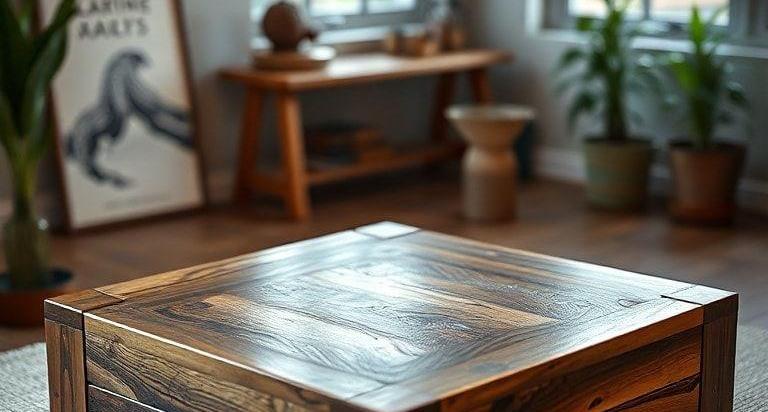
This coffee table is a true testament to sustainability! Crafted from reclaimed wood, West Elm’s design team has given new life to wood that would otherwise go to waste. The table is rustic yet modern, with a raw wood finish that adds a touch of warmth and character to any space. Plus, it’s made with a commitment to fair trade practices, so you can feel good about your eco-conscious purchase while supporting artisans.
2. Lulu and Georgia Sylvan Coffee Table
The Sylvan Coffee Table combines earthy elegance with eco-friendly materials. Made from sustainable wood, this piece is all about timeless style with a focus on environmental impact. Its simple, yet sophisticated design makes it easy to pair with any decor, while its sustainable build makes it a feel-good buy. Perfect for those who want to add a bit of nature to their living room while being kind to the planet.
3. Haiku Designs Minimalist Coffee Table
Sleek and modern, the Haiku Designs Minimalist Coffee Table is the perfect blend of sustainability and style. Made from eco-friendly bamboo, it’s not only incredibly durable but also lightweight and easy to move around. Its clean, minimalist lines make it ideal for contemporary spaces, and since bamboo is one of the most sustainable materials out there, you’re really making a difference in reducing your carbon footprint with this one.
4. The Citizenry Cora Coffee Table
The Cora Coffee Table from The Citizenry is a stunning example of craftsmanship meeting sustainability. Handcrafted by artisans in Peru, it’s made from 100% reclaimed wood, which gives it that beautifully weathered, one-of-a-kind look. The design is simple yet chic, and it brings a touch of global flair to any living room. Plus, every purchase supports fair wages and sustainable artisan practices, making it a win-win for you and the planet.
5. BenchMade Modern Crossover Coffee Table
This coffee table is the definition of modern craftsmanship with an eco-friendly twist. Made from FSC-certified wood, the BenchMade Modern Crossover Coffee Table uses only sustainably sourced materials, so you can rest easy knowing it was made with the environment in mind. It has a sleek, industrial vibe that fits perfectly in both modern and rustic settings, and its solid wood construction ensures it’s built to last.
Why Buy Sustainable Coffee Tables?
Opting for a sustainable coffee table goes far beyond aesthetics. While a well-designed, stylish table can elevate your living room decor, the true value of a sustainable coffee table lies in its environmental and ethical implications. Here’s why investing in a sustainable coffee table is a choice that benefits not only your home but also the planet.
- Eco-Friendly Materials: Sustainable coffee tables are crafted from materials that have minimal environmental impact. Common materials include reclaimed wood, bamboo, or responsibly sourced hardwoods. These materials are renewable, require less energy to produce, and reduce deforestation. By choosing sustainably sourced wood or upcycled materials, you’re preventing harmful practices like illegal logging and resource depletion.
- Longevity: The hallmark of sustainability is durability. Unlike mass-produced, cheaply made coffee tables that may break or degrade after just a few years, a sustainable coffee table is designed to last. Often, these tables are handcrafted with attention to detail and craftsmanship, resulting in pieces that can be passed down or enjoyed for decades. A durable piece of furniture ultimately reduces the need for replacements, decreasing waste in landfills.
- Low Carbon Footprint: Sustainable coffee tables are often produced using local materials or low-energy manufacturing processes. This reduces the carbon footprint associated with the transportation of goods. Additionally, some sustainable furniture makers utilize energy-efficient production techniques, further lowering emissions.
- Support Ethical Practices: When you purchase a sustainable coffee table, you’re supporting companies and artisans who are committed to ethical labor practices. Many eco-friendly furniture brands work with fair-trade principles, ensuring that workers are paid fairly, work in safe conditions, and are treated with respect. This also extends to companies that prioritize transparency in their supply chain.
- Design Versatility: Sustainable coffee tables are often designed with timeless appeal, making them a versatile addition to various interior styles. Whether you’re furnishing a minimalist modern living room or a cozy, rustic space, you’ll find a sustainable table that fits your decor. These tables are often more unique, with each piece having slight variations due to the natural materials used, adding character to your home.
- Reduced Toxicity: Many mass-produced coffee tables are finished with toxic chemicals like formaldehyde or low-quality paints and varnishes that emit volatile organic compounds (VOCs). Sustainable tables, on the other hand, often use non-toxic finishes, eco-friendly paints, and natural oils that ensure the air in your home remains free from harmful chemicals.
Buying Guide For Sustainable Coffee Tables
When purchasing a sustainable coffee table, there are several key factors to consider to ensure that you are choosing a product that aligns with your values and meets your practical needs. Below is a detailed guide to help you make an informed purchase:
Material Selection
The material of the coffee table is perhaps the most important factor when considering sustainability. Some of the most common materials for sustainable coffee tables include:
- Reclaimed Wood: This material is sourced from old buildings, ships, or discarded furniture, and repurposed into new products. Reclaimed wood is eco-friendly because it gives new life to otherwise discarded materials, preventing unnecessary deforestation.
- Bamboo: Bamboo is a rapidly renewable resource that grows quickly without the need for pesticides or fertilizers. It’s an excellent choice for eco-friendly furniture due to its strength and sustainability.
- Recycled or Upcycled Materials: Coffee tables made from repurposed metal, glass, or plastic are an excellent way to reduce waste. Upcycled materials often have a unique aesthetic and offer a sustainable alternative to new materials.
- Solid Wood from Certified Forests: If you opt for solid wood, look for certifications like FSC (Forest Stewardship Council) or PEFC (Programme for the Endorsement of Forest Certification). These certifications ensure the wood is harvested sustainably and responsibly.
- Concrete and Stone: Some sustainable coffee tables are made from concrete or stone, which are durable and have a minimal environmental impact if sourced responsibly.
Craftsmanship And Construction
Sustainability is not just about the materials used but also the quality of craftsmanship. A well-made coffee table will last longer, reducing the need for future replacements. Look for furniture makers who handcraft or produce their tables in small batches, focusing on quality over mass production.
- Joinery: Check whether the coffee table uses traditional joinery techniques like dovetail or mortise and tenon. These methods are not only more durable but also more sustainable than the use of nails or screws.
- Finishing: Opt for tables finished with non-toxic oils, water-based stains, or natural waxes. These finishes are better for your health and the environment.
- Local Artisans: Supporting local craftsmen or small businesses that produce sustainable furniture can help reduce carbon emissions associated with shipping products long distances.
Size And Functionality
Consider the size and functionality of your coffee table before making a decision. A sustainable coffee table should suit your space and offer practical features, such as extra storage or adjustable height.
- Storage Options: Coffee tables with hidden storage are a great choice for keeping your space organized. Look for tables with drawers, shelves, or compartments that are discreet and efficient.
- Size: Be mindful of the proportions of your living room. A coffee table that is too large or too small can disrupt the flow of the room. Measure your available space and choose a table that fits well with your seating arrangement.
Design And Aesthetics
The style of the coffee table should complement your overall interior design. Sustainable tables often have a more minimalist or organic design, but they can fit into any style, from modern to traditional.
- Timelessness: Look for designs that are timeless rather than trendy. A classic design will not only last in terms of quality but also stay relevant through changing decor trends.
- Customization: Some sustainable furniture makers offer customization options, allowing you to select the materials, finishes, or dimensions that best fit your needs and aesthetic preferences.
Price And Value
While sustainable coffee tables are often more expensive than mass-produced options, they offer greater value in the long run. The price should reflect the quality of the materials, craftsmanship, and the longevity of the piece. Keep in mind that investing in a sustainable table means fewer replacements and lower environmental impact over time.
Certifications
When shopping for a sustainable coffee table, check for certifications that ensure ethical practices and sustainability. Look for the following:
- FSC (Forest Stewardship Council) for wood sourced sustainably.
- Fair Trade or B Corp certifications for ethical labor practices.
- Cradle to Cradle for designs that prioritize the full lifecycle of the product.
Maintenance & Care
To ensure the longevity of your sustainable coffee table, proper care and maintenance are essential. Here are some tips to keep it in top condition:
- Cleaning: Use a soft, damp cloth to wipe down the table regularly. Avoid harsh chemicals or abrasive materials that could damage the finish. For wood tables, consider using a wood cleaner or polish that is designed for eco-friendly furniture.
- Avoid Direct Sunlight: Prolonged exposure to direct sunlight can cause the wood or other materials to fade. Position your coffee table away from windows or use curtains to reduce sun exposure.
- Humidity Control: Wood can expand or contract with changes in humidity. To prevent cracking or warping, keep your table in a room with stable temperature and humidity levels.
- Protect the Surface: Use coasters, placemats, or trays to protect the surface from hot mugs, spills, or scratches. Consider using felt pads on the bottom of any items placed on the table to prevent scratching.
- Re-oiling or Refinishing: If your coffee table is made of wood, it may require re-oiling or refinishing every few years, depending on its use. Use natural oils like tung oil or beeswax to restore the table’s sheen and protect the wood.
Final Words
A sustainable coffee table is more than just a functional piece of furniture-it’s an investment in both your home and the environment. By choosing eco-friendly materials, supporting ethical craftsmanship, and practicing mindful maintenance, you can enjoy a beautiful, long-lasting table while contributing to a healthier planet.