Top 5 1970s Coffee Tables
The 1970s were a transformative period in interior design, characterized by bold experimentation with colors, materials, and forms. The coffee table, a functional centerpiece in living rooms, was no exception to this trend. During this era, coffee tables evolved from being simple, utilitarian pieces to becoming statement objects that reflected the shifting cultural climate. The furniture of the 1970s combined mid-century modern influences with new, innovative designs, creating pieces that were both visually striking and practical.
When you think of a 1970s coffee table, images of sleek, geometric lines, rich wood finishes, and unique materials likely come to mind. The table was no longer just a place to set down drinks-it was an extension of a home’s personality and an embodiment of the freedom and creativity of the time. For collectors and enthusiasts of vintage furniture, 1970s coffee tables hold a special allure. They offer a glimpse into an era of design experimentation that set the tone for decades to come.
In this detailed guide, we will explore why buying a 1970s coffee table is a worthwhile investment, provide an in-depth buying guide, discuss maintenance and care, and conclude with a reflection on why these iconic pieces remain relevant and desirable today.
Top 5 1970s Coffee Tables
1. Noguchi Coffee Table
The Noguchi Coffee Table, designed by the Japanese-American artist Isamu Noguchi, is a timeless classic that combines sculpture and functionality. Made with a striking combination of a sculptural wooden base and a glass top, it has a minimalist yet bold design that made it an instant 1970s favorite. Its organic, flowing shape and clean lines made it a must-have for anyone wanting to add a touch of modern elegance to their living room. It’s a true piece of art that sparks conversation even today.
2. Eero Saarinen Tulip Coffee Table
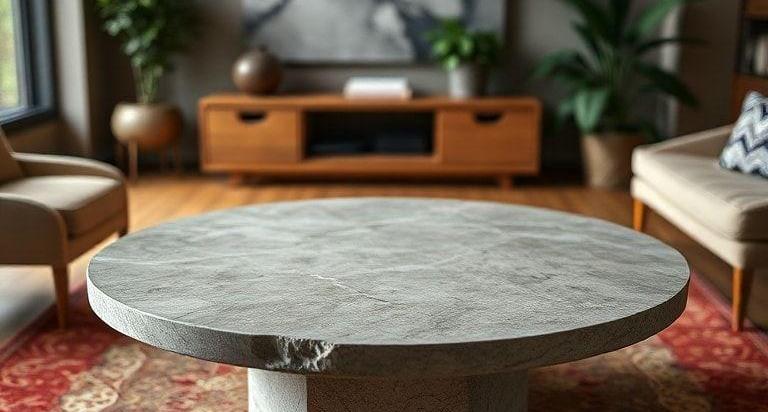
Eero Saarinen’s Tulip Coffee Table from the 1970s is another beautiful example of mid-century modern design, pushing the boundaries of traditional furniture. Known for its single pedestal base and sleek, round top, this table is the epitome of sophistication and simplicity. With a smooth, marble or laminate top paired with the iconic tulip-style base, it exudes a futuristic vibe that was ahead of its time. It’s no wonder this piece was such a big hit during the 1970s, offering both style and practicality.
3. Milo Baughman Glass Coffee Table
If you want a 1970s coffee table that screams luxury and sleek sophistication, the Milo Baughman Glass Coffee Table is one of the best options out there. With its geometric lines and high-end glass top supported by a chrome or brass base, this table brings a touch of glam and coolness to any space. Baughman was a master of blending modernism with classic design, and this table is the perfect example of how form and function can come together in perfect harmony.
4. Arne Vodder Teak Coffee Table
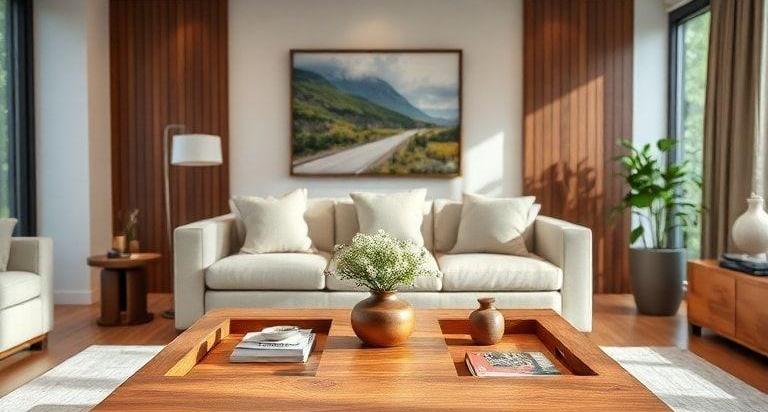
For those who love wood and mid-century Scandinavian design, the Arne Vodder Teak Coffee Table is a must-have from the 1970s. Made with smooth, rich teak wood and often featuring angular, tapered legs, it radiates a warm, earthy aesthetic that was super popular in that era. This table combines simple elegance with practicality, and its durable construction ensures that it remains a piece to treasure for generations. It’s perfect for adding a touch of earthy, natural charm to a living room while still looking sleek and polished.
5. Florence Knoll Coffee Table
Florence Knoll’s Coffee Table is a standout piece that embodies the clean, functional, and sophisticated vibe of the 1970s. Its minimalist rectangular or square design with a glass top and chrome base makes it a versatile addition to any modern living space. This table’s simple yet chic look is a testament to Knoll’s timeless approach to furniture design, and it was a statement piece in many mid-century modern homes throughout the 1970s. A perfect blend of simplicity and elegance that would still fit in today’s modern homes.
Why Buy 1970s Coffee Tables?
- Vintage Appeal: The most obvious reason to buy a 1970s coffee table is the vintage charm it brings. This era was marked by the rise of both minimalism and maximalism in furniture design, with coffee tables serving as a bridge between these two opposing movements. Whether you’re a fan of the bold, earthy tones and organic shapes of the 1970s or the refined elegance of mid-century modern, a 1970s coffee table offers a piece of history that elevates any room’s aesthetic.
- Timeless Design: Many coffee tables from the 1970s feature classic, timeless designs that transcend trends. Clean lines, minimalist silhouettes, and mid-century modern influences still look stylish and sophisticated in contemporary settings. The design sensibility of the 1970s has proven to be durable over time, with many pieces still finding their place in modern interiors. Whether made of teak, walnut, or glass, the simple yet impactful style continues to complement a variety of décor.
- Craftsmanship and Quality: Unlike some mass-produced furniture today, 1970s coffee tables were often crafted with a level of care and attention to detail that ensured durability. Materials like solid wood, glass, and stone were common, making many of these tables sturdy, long-lasting, and built to withstand the test of time. Furthermore, many pieces from this era were hand-made, often by skilled artisans who valued quality craftsmanship over quick production.
- Collectible Value: As interest in retro and vintage furniture continues to grow, 1970s coffee tables have become highly collectible. Some designs, particularly those from renowned designers or specific furniture makers, have seen their value increase significantly in recent years. For those with an eye for rare finds or investment pieces, a well-preserved 1970s coffee table could offer long-term value and appreciation.
- Unique Materials: One of the defining characteristics of 1970s coffee tables is the innovative use of materials. In addition to the typical woods of the era, designers experimented with metals, glass, marble, and even Lucite. Some tables featured sculptural bases made from brass or wrought iron, while others had bold, unconventional tops made from stone or smoked glass. These materials not only provide visual interest but also reflect the experimental nature of the time.
- Versatility in Décor: The design of a 1970s coffee table is often versatile enough to integrate into various interior styles. Whether your home leans more toward bohemian, eclectic, minimalist, or mid-century modern, a vintage coffee table from this period can serve as a focal point that unifies the room’s design. Its mid-century roots provide a sense of balance and refinement, while the 1970s flair injects personality and warmth.
Buying Guide For 1970s Coffee Tables
-
Material Matters: One of the key considerations when buying a 1970s coffee table is the material used. These tables were crafted from a wide range of materials, each with its own aesthetic and practical qualities. Common materials include:
- Wood: Teak, walnut, rosewood, and oak were some of the preferred hardwoods of the era, known for their rich, warm tones and durability.
- Glass: Glass tops, particularly those with metal or wood bases, were a staple of the 1970s design, offering a sleek, modern look. Look for tempered glass for added durability.
- Metal: Many coffee tables featured metal accents, such as brass, chrome, or wrought iron. These materials added a sense of sophistication and modernity to the piece.
- Stone and Marble: For a more luxurious touch, some 1970s coffee tables featured marble or stone tops, which added weight and a sense of opulence.
-
Style and Shape: The 1970s saw a mix of geometric shapes and organic, flowing designs. When shopping for a table, consider the style that best fits your space. Popular styles include:
- Rectangular: The most common shape, providing a clean, modern look that works well in most living rooms.
- Round and Oval: These shapes were often used to create a softer, more relaxed atmosphere.
- Sculptural: Some tables from this period took on sculptural forms, with abstract bases or unusual shapes that serve as art pieces in themselves.
-
Condition and Authenticity: As with any vintage purchase, the condition of the coffee table is a critical factor. Look for tables that are in good condition, with minimal wear and tear. Scratches, dents, or discoloration may be acceptable if they add character to the piece, but make sure the structural integrity of the table is intact.
Additionally, ensure that the table is authentic. Some of the most sought-after designs from the 1970s came from famous designers such as Milo Baughman, Pierre Paulin, and Eero Saarinen, and their pieces often come with a higher price tag. Check for maker’s marks, labels, or provenance that can confirm the authenticity of the table.
- Price: 1970s coffee tables can range from affordable to highly expensive, depending on their rarity, designer, and condition. While many mid-range options are available, rare designer pieces or those in excellent condition may command a premium price. Keep in mind that the cost of restoring a damaged table can also add to the overall expense, but this may still be worthwhile if you’re investing in a truly unique or valuable piece.
- Functionality: Don’t forget about the functional aspects of the table. In addition to its aesthetic appeal, make sure the coffee table meets your practical needs. Consider the size of your space and choose a table that provides ample surface area without overwhelming the room. Additionally, some tables from the 1970s incorporated hidden storage, which can be an added bonus.
Maintenance & Care
Caring for a 1970s coffee table involves keeping the materials in good condition and preserving its beauty for years to come. Here are some tips for maintaining your vintage table:
- Wood Care: If your coffee table is made of wood, regular dusting with a soft cloth is essential. Wood polish can help preserve the finish and keep the surface looking its best. Be cautious with harsh cleaners, as they can strip the wood of its natural oils. For tables with a lacquer finish, avoid placing hot objects directly on the surface, as heat can cause damage.
- Glass Care: If your table has a glass top, clean it regularly with a non-abrasive glass cleaner. Use a soft cloth to avoid scratching the glass. For tables with glass bases or decorative elements, ensure that they’re not exposed to excessive weight or pressure to prevent breakage.
- Metal Care: Brass or chrome bases can tarnish over time, so it’s important to clean them gently. Use a specialized metal cleaner for brass, and a soft cloth for chrome, to maintain their shine. Avoid abrasive pads that could scratch or damage the metal.
- Stone and Marble Care: For tables with marble or stone tops, wipe them down with a soft, damp cloth. Avoid using acidic cleaners that could etch the surface. A sealing agent can be applied periodically to protect the stone from stains and spills.
- Regular Inspections: Check the table regularly for any loose joints or screws, especially for tables with intricate designs or sculptural bases. Tighten any screws carefully, ensuring that you don’t overtighten and damage the material.
Final Words
Owning a 1970s coffee table is more than just having a piece of furniture-it’s owning a piece of design history. These tables embody an era of bold experimentation, artistic expression, and timeless craftsmanship. Whether you’re drawn to their aesthetic appeal, their durability, or their investment potential, a 1970s coffee table can be an exceptional addition to your home.